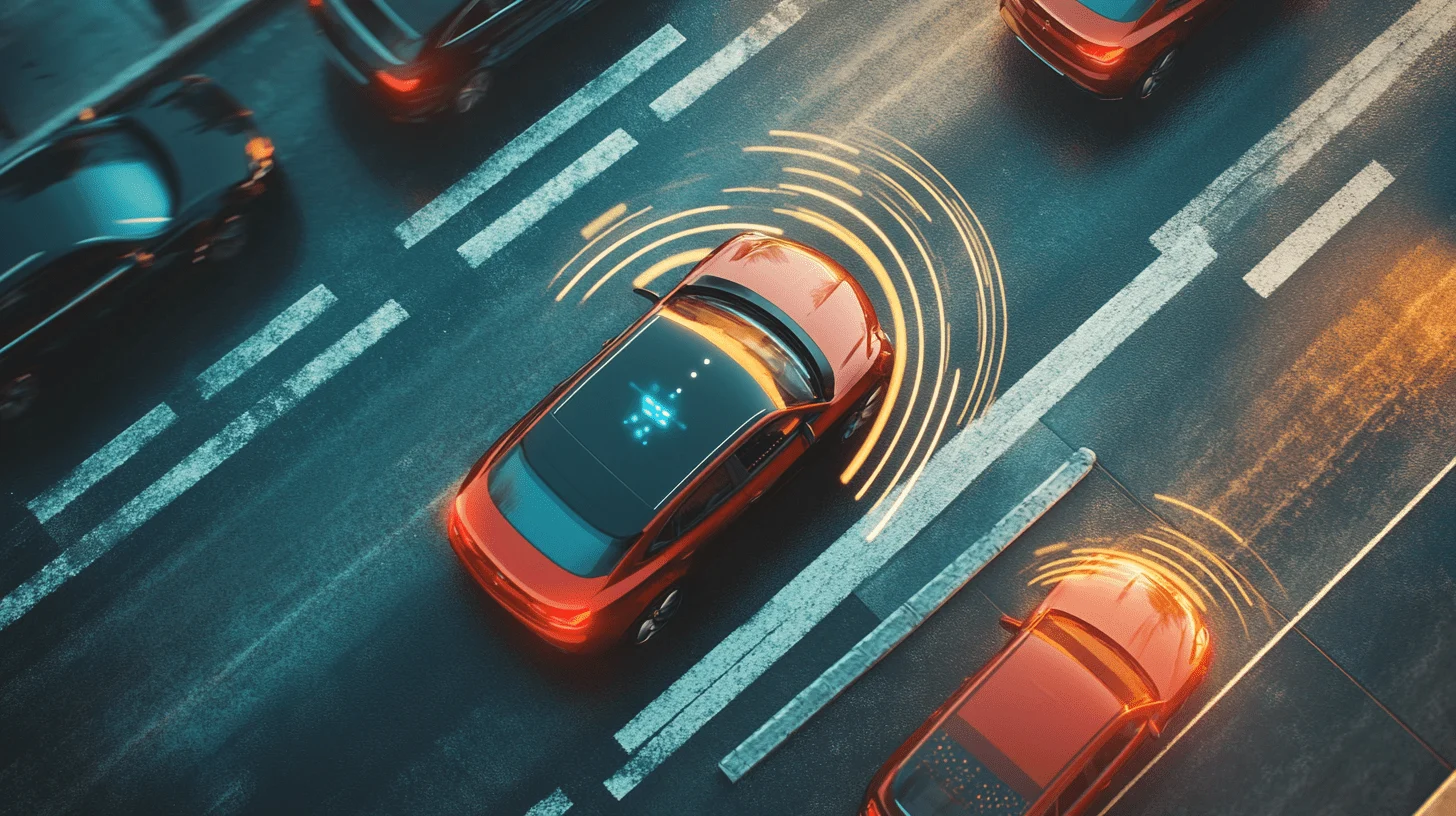

The number of vehicles in the world is growing rapidly, and with it the problem of accidents and traffic congestion. Thanks to the development of artificial intelligence and its integration into transport, we can expect a dramatic improvement in the coming 20 years.
Reducing the number of accidents:
- Autonomous vehicles: Cars equipped with AI systems are orders of magnitude safer than cars with a human behind the wheel. A McKinsey & Company study shows that the introduction of autonomous transport can reduce the number of accidents by 90%. The use of 5G technologies for vehicles to communicate with each other and with the transportation system will also help reduce accidents and optimize traffic flows.
- Warning and automatic braking systems: Modern vehicles already come equipped with automated assistants that warn drivers of dangerous situations or even apply automatic braking.
- Data analytics: AI can analyze vast amounts of data, identifying patterns and risk factors. This will help enhance safety measures, such as repairing road surfaces or installing additional signs and traffic lights.
Traffic management:
- Smart traffic lights: Machine learning systems can optimize traffic light operation in real time, taking into account traffic intensity, weather conditions, road closures, and other factors. This will reduce congestion and cut travel time.
- Route planning: Machine learning-based applications, such as Google Maps or Yandex Navigator, are already helping drivers choose the fastest routes. In the future, they will be able to predict traffic jams before they appear.
Such AI-based technologies will seriously change the situation with accidents and traffic congestion in the coming decades.




Comments (2)
Скорее всего, такие изменения в массовом порядке произойдут в течение ближайших 10 лет. Многие подобные улучшения уже присутствуют и активно испытываются сегодня.
Согласен с вами. Технологии внедряются очень быстро!