
The rapid development of technology creates new categories of legal subjects that differ from ordinary people and animals. These are representatives of the so-called non-human persons: animals with artificially enhanced cognitive abilities, cyborgs, and species whose mental capacities require special legal and ethical consideration. Recognizing the growing importance of these groups, veterinarians take on the role of advocates defending the rights of non-human persons.
A New Class of Entities and Its Features
— Non-human persons are subjects whose existence is made possible by advances in biotechnology, neuroscience, and cybernetics. These include:
— Animals with high IQ levels achieved through genome editing or neuroplasticity.
— Humanoid robots endowed with consciousness and feelings.
— Semi-cyborgs, a significant part of whose body is replaced by electronic components.
The law faces difficult questions: who should be considered a legal subject, who has the right to vote and protection from discrimination, what privileges are due to representatives of new classes? The answers to these questions depend on the level of technological development and the current state of public opinion.
The Role of Veterinarians in the New Order
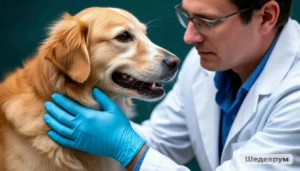
Veterinary doctors act as advocates and human rights defenders for new categories of legal subjects. The work of a veterinarian is aimed at ensuring a comfortable life, protecting health, and preventing violations of the law. Among the main duties of a veterinarian are:
— Conducting health assessments of an animal or cyborg.
— Preparing documentation confirming the rights and freedoms of the subject.
— Participating in legal proceedings involving violations of the rights and freedoms of an animal or cyborg.
— Providing consultations on ethical and moral issues.
Experience from veterinary clinics shows that non-human persons more often face legal problems related to property ownership rights, freedom of movement, and access to medical care. A veterinarian helps to sort out complex issues and achieve justice.
It is important to emphasize that recognizing rights and freedoms for new categories implies accepting them as equal members of society. This process is slow, encountering resistance from conservative forces and insufficient public awareness. Nevertheless, the initiative is moving forward, attracting supporters of humane treatment for all forms of life.
Thus, veterinary medicine encompasses a wide range of tasks facing specialists in ethics and law. Representatives of the veterinary profession become agents of change, acting as guarantors of fair and kind treatment of representatives of the new class of legal subjects.






Comments (0)