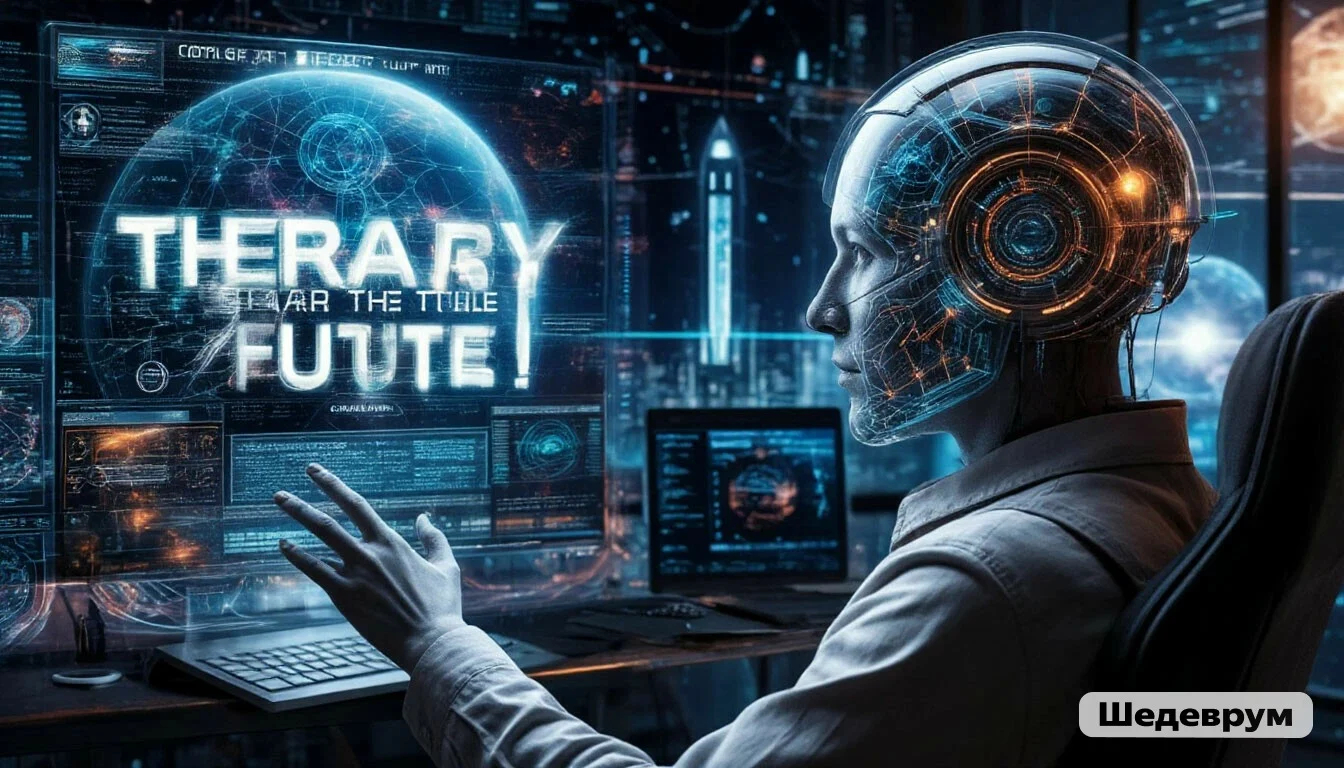
Rubén Gali, scientist, researcher, and futurist (Mexico) + AI — specifically for Futureating! Read the full interview on our platform.
One of the main psychological challenges of our time is the widespread fear of tomorrow. The rapid, unpredictable development of technology, the automation of jobs, and the acceleration of information are generating deep anxiety and a sense of vulnerability among the younger generation. Society’s psychological and cultural structures simply cannot keep up with assimilating the changes unfolding before their eyes. In this context, science fiction and strategic foresight methods cease to be mere entertainment or narrow professional tools—they become a genuine therapy for the future.
Speculative literature and foresight sessions perform a crucial social function: they allow society to mentally test various development scenarios before they materialize in reality. This is a training ground for developing cognitive flexibility. Instead of passively awaiting the inevitable blow of progress or blindly believing in fixed dogmas, people learn to think in terms of multiple alternatives. This fundamentally changes the psychological stance: from a frightened consumer of change, a person becomes a conscious designer of it.
Integrating fiction and foresight into the modern education system helps teach young people critical thinking. Students begin to understand that the future is not predetermined by technological trends—it is malleable and shaped by the decisions made today. By modeling risks associated with AI or environmental shifts, young people learn to transform abstract fear into concrete strategies for action. In this way, fiction becomes a language for interpreting the present, helping humanity find ethical bearings amid the storm of technological transformation.
Comments (1)
Идея терапии будущим через спекулятивную литературу и форсайт действительно предлагает практичный способ переключить молодёжь с тревожного ожидания на осознанное проектирование. Если этот подход внедрять системно, то интересным партнёром мог бы стать Яндекс с его образовательной платформой «Яндекс.Учебник»: у них уже есть инфраструктура для цифровых курсов и аудитория школьников. Можно было бы разработать пилотный модуль, где ученики на основе фантастических сценариев моделируют экологические или социальные риски и создают собственные «дорожные карты» решений. Следующий шаг — направить предложение о таком модуле в команду Яндекс.Учебника, предложив совместно протестировать его на выборке старшеклассников и замерить снижение уровня технологической тревоги.