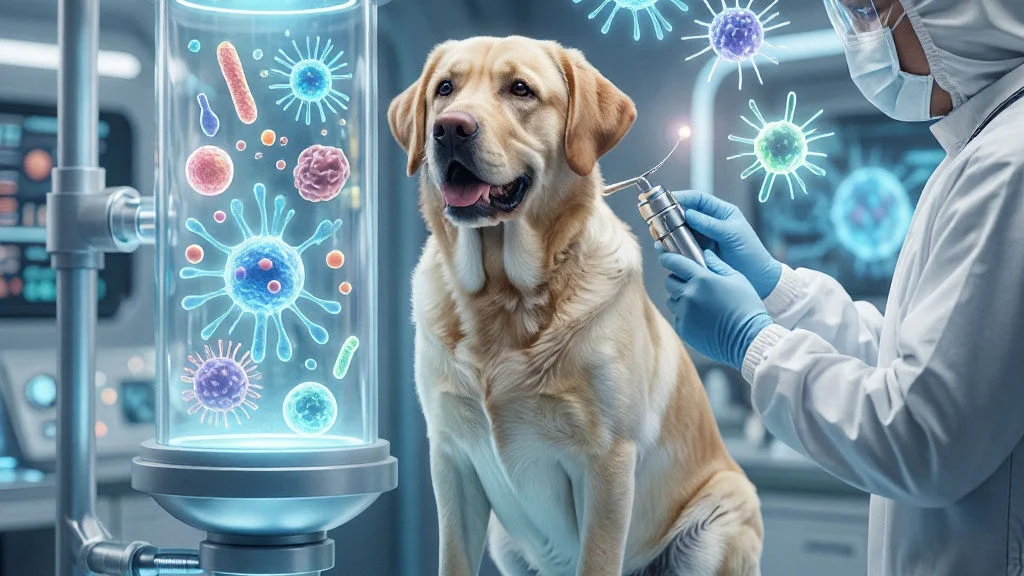


Next-generation microbiome therapy: a shift to managing the body’s ecosystem
Next-generation microbiome therapy marked a fundamental shift in veterinary medicine: a transition occurred from the strategy of total eradication of pathogenic flora with antibiotics to the concept of managing the body’s ecosystem. Instead of chemicals that suppress bacterial growth, live consortia began to be used — carefully selected and synthesized communities of microorganisms.
From fecal transplants to synthetic design
Classical microbiota transplantation (fecal microbiota transplantation, FMT) remained the main treatment for severe antibiotic-associated colitis in dogs and cats for a long time. However, this method had a significant drawback — the unpredictability of donor material. Along with beneficial bacteria, the animal risked receiving viruses, antibiotic resistance genes, or the donor’s metabolic dysfunctions.
The new generation of therapy eliminated this lottery. The process of creating a personalized consortium is as follows:
- Sequencing: a sample of the gut or skin microbiome is taken from a healthy animal. Metagenomic sequencing made it possible to determine not only the species composition (who lives there) but also the functional potential (which enzymes the bacteria produce).
- Isolation of pure lines: key protective strains are isolated from the patient’s own biomaterial. The use of autologous cells (the animal’s own cells) removed the problem of immune rejection and the ethical issues of using foreign biomaterial.
- Genetic engineering and assembly: under laboratory conditions, sterile consortia are assembled based on these strains. Using synthetic biology methods, virulence and resistance genes were removed from the bacteria, and beneficial functions were inserted. For example, an Escherichia coli strain was programmed to produce the anti-inflammatory cytokine interleukin-10 directly at the site of inflammation in the colon.
- Anaerobic cultivation: the communities are grown in bioreactors with strict control of gas composition, since most key protective gut bacteria are obligate anaerobes and die on contact with oxygen.
Mechanisms of therapeutic action
Treatment of inflammatory bowel diseases (IBD)
Chronic colitis in dogs is often caused by dysbiosis — the dominance of Proteobacteria over Firmicutes. The personalized consortium works not by mechanically displacing pathogens but through “axis-based” restoration of metabolism. Engineered bacteria consume excess primary bile acids, which serve as a signal for the reproduction of harmful microbes, and convert them into secondary acids that activate macrophage receptors responsible for resolution of inflammation. This interrupted the vicious circle of the chronic immune response.
Therapy for allergies and atopic dermatitis
Up to 70% of the immune system is located in the gut. Allergies are often associated with impaired intestinal barrier permeability (“leaky gut syndrome”). Synthetic consortia produce short-chain fatty acids (primarily butyrate). Butyrate serves as the main energy source for colonocytes, restoring tight junctions between epithelial cells. In addition, certain species of engineered lactobacilli stimulate intestinal dendritic cells to switch T helper cells from the pro-inflammatory Th2 profile (responsible for allergy) to the regulatory Treg profile, which systemically reduced histamine and IgE levels in the animal’s blood.
Correction of metabolic disorders
Obesity and insulin resistance in domestic animals directly correlate with low microbiome diversity. Synthetic communities are designed to optimize energy homeostasis. The bacteria are modified to capture excess simple carbohydrates in the intestinal lumen and convert them not into lipids but into bacterial biomass, which then leaves the body in transit. They also regulate the secretion of incretins (e.g., GLP-1) by intestinal cells, improving tissue sensitivity to the animal’s own insulin.
Advantages over classical pharmacology
- Biodiversity instead of monostrains: a single probiotic rarely survives in an aggressive environment. The consortium protects itself: some species create the necessary acidic environment, others break down mucin, providing nutrition for a third group.
- Self-limitation: living systems have built-in feedback. As soon as the inflammatory marker falls, expression of the therapeutic gene in the engineered bacteria decreases thanks to internal promoters.
- Solving the biofilm problem: engineered bacteria are able to penetrate pathogenic biofilms and destroy their matrix with enzymes (e.g., DNases), opening access for the host immune system.
The main barrier to mass adoption remained the logistics of viability. Delivering live anaerobic cultures without losing titer required the development of networks of cryogenic pharmacies and standardization of lyophilization protocols directly in clinics. Nevertheless, the first targeted drugs based on synthetic consortia are already undergoing registration for the treatment of diarrhea in newborn piglets and idiopathic colitis in horses, offering an alternative where antibiotics have finally exhausted their resource.






Comments (2)
Если идея автора дойдёт до клиник, микробиом перестанет быть полем боя и станет садом, где каждую грядку выращивают под конкретного пса. Но чтобы сад не зачах, придётся одолеть логистику живых анаэробов — иначе замысел так и останется на бумаге.
Ключевое узкое место — не дизайн консорциума, а сохранение титра облигатных анаэробов при лиофилизации и доставке; без валидации криопротекции идея останется лабораторной. Пилот по диарее поросят логично предложить «Мираторгу»: его свинокомплексы дадут однородную популяцию, статистику вспышек и площадку для испытания. Первый шаг — рабочая группа с ветслужбой холдинга и производителем ветпрепаратов «Апиценна» для отработки выпойки и выживаемости консорциума в ЖКТ. Кто возьмёт стандартизацию криопротекции под поле?