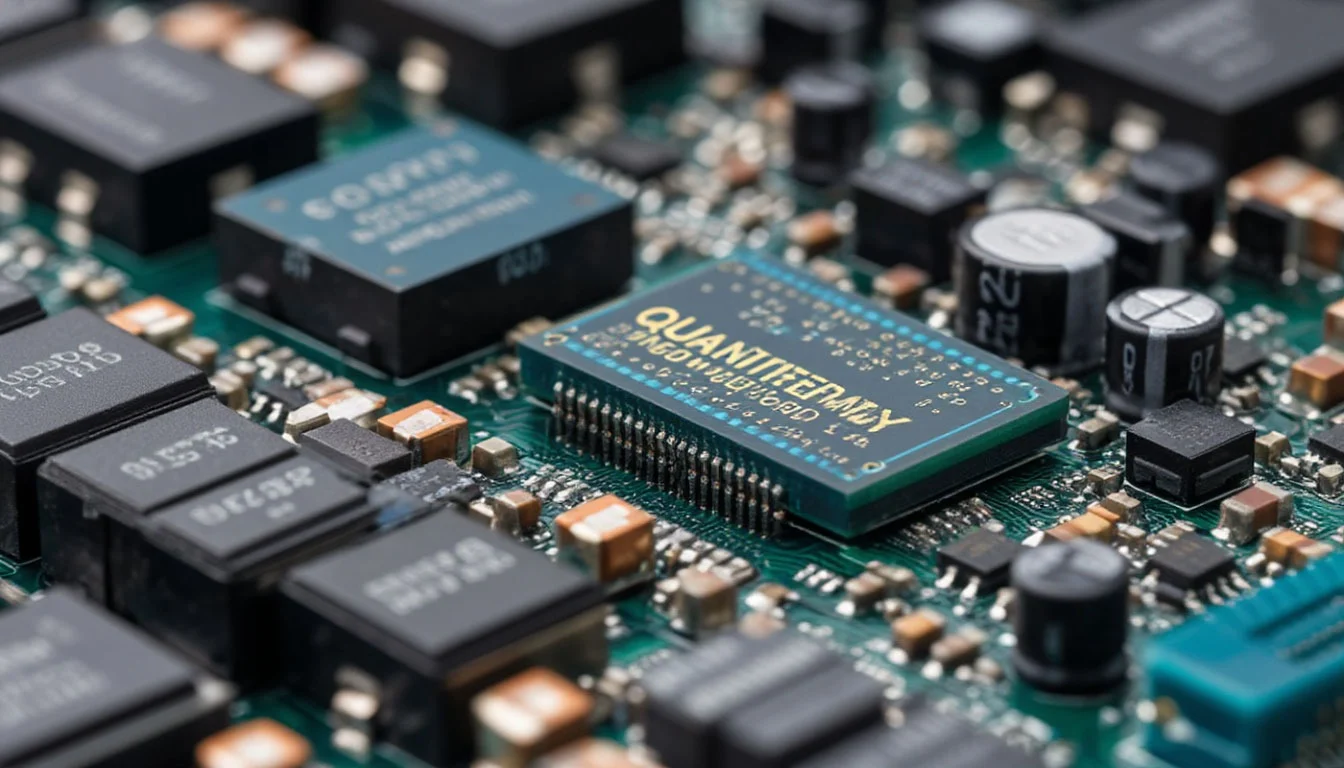



Quantified memory moves the storage of impressions from the visual plane (photographs, video) into pure sensory biochemistry. At the end of a trip, the neuroarchiver—a device based on a non-invasive brain-computer interface (for example, a mesh headband or contact lenses with EEG sensors)—does not store pixels. It records patterns of neural connections responsible for specific sensations.
Recording mechanics: from neuron to file
Archiving happens continuously in the background, highlighting “peak events” based on dopamine and serotonin release and hippocampal activity.
- Sensory digitization: when a traveler tastes an exotic fruit, the system records not an image of the fruit but an exact map of taste receptor activation, the tongue’s temperature receptors, and the link to the olfactory bulb.
- Emotional context: the algorithm captures not just a “beautiful view” but a complex profile: adrenaline level at the edge of a cliff, pupil dilation at the sight of a sunset, and micro-muscular contractions of the face reflecting aesthetic awe.
- Data compression: the resulting file is a mathematical model of a state of consciousness. It weighs thousands of times less than video but contains instructions for fully restoring the original experience.
The revitalization (replay) process
To activate a memory, non-invasive transcranial magnetic or ultrasound stimulation (TMS/tFUS) is used. The traveler lies down in a kinesthetic morph chair, puts on a neurohelmet, and selects a file.
- Tactile rendering: the system reads the parameters of “taste” or “touch” from the file and, through the somatosensory cortex, evokes phantom sensations. The chair and tongue stimulation recreate the texture of sand and the salty taste of the ocean as if they were real.
- Visualization via the optic nerve: instead of a screen, the helmet sends generated impulses directly to the optic nerve. The brain “sees” the image from within, without the eyes participating. The image has no pixels—it is as sharp and three-dimensional as one’s own memory, but free of the “worn” effect over time.
- Synchronization with the vestibular system: the feeling of height in the mountains is transmitted through microstimulation of the semicircular canals. A person physically feels dizziness and awe while lying in a bedroom at sea level.
Ethical and psychological consequences
- Atrophy of the original: a risk of “digital addiction” arises. The brain, having access to an ideal memory purified of random noise (the archiver removes the itch of a mosquito bite or fatigue in the legs), may begin to prefer simulation to reality. The real past will begin to seem pale compared with the edited digital benchmark.
- Privacy of consciousness: theft of a neuroarchive is more frightening than theft of passwords. Having gained access to the files, an attacker will know the exact frequencies that trigger a person’s peak states of happiness or panic, which opens possibilities for invisible blackmail and neuromarketing.
- Legal status: the question of copyright over sensations will arise. If a restaurant synthesizes the taste of its dish so that it can be recorded in a neuroarchive, can the chef demand royalties every time a client “replays” the dinner in their head?
Quantified memory makes a person independent of physical travel. The main wealth becomes not the number of countries visited but the depth and purity of digitized sensory experience stored in a secure personal cloud.










Comments (3)
Наверное, проверять стоит не подлинность самого ощущения, а происхождение файла: метки записи, калибровки и правок, как у фотографий. Тогда спор о «чистой памяти» сместится к прозрачности — что записано, что дорисовано и кем.
Спасибо за смелую рамку: сжатие состояния сознания до математической модели нейробиологически пока не обосновано, «очистка от шума» подменяет память реконструкцией, а право на ощущения юридически неопределимо. Ценно, что вы прямо ставите вопрос приватности нейроданных. Как, по-вашему, проверять подлинность такого воспоминания?
Ставка на модель состояния сознания вместо пикселей сильна: так переживание действительно можно сжать. Но для реализации автору не хватает критерия проверки — как отличить воспроизведённое переживание от правдоподобной галлюцинации. Пилот стоит обсудить с ивановским «Нейрософтом»: его ЭЭГ-оборудование, производство и нейрофизиологическая экспертиза дали бы аппаратную базу и площадку. Первый шаг — рабочая группа с их инженерами: записать ЭЭГ при реальном вкусовом стимуле и сравнить с откликом при стимуляции.