Until now, there is no science that studies Humanity as a single system. I propose to call this new science, crucial for the survival of the Homo Sapiens species, GLOBALISTICS.
Globalistics is an interdisciplinary science that studies global processes and phenomena covering various aspects of human life. It analyzes the interaction of countries, peoples and civilizations as a single holistic system, their goals, development, prospects and desirable future.
In the next 50 years, Globalistics will be formed as a science and the idea of an organismic approach will dominate in it, when different civilizations will be considered as parts of a single system — an organism, each of which performs specific functions.
By definition, a system is a set of interconnected elements interacting to achieve a certain goal.
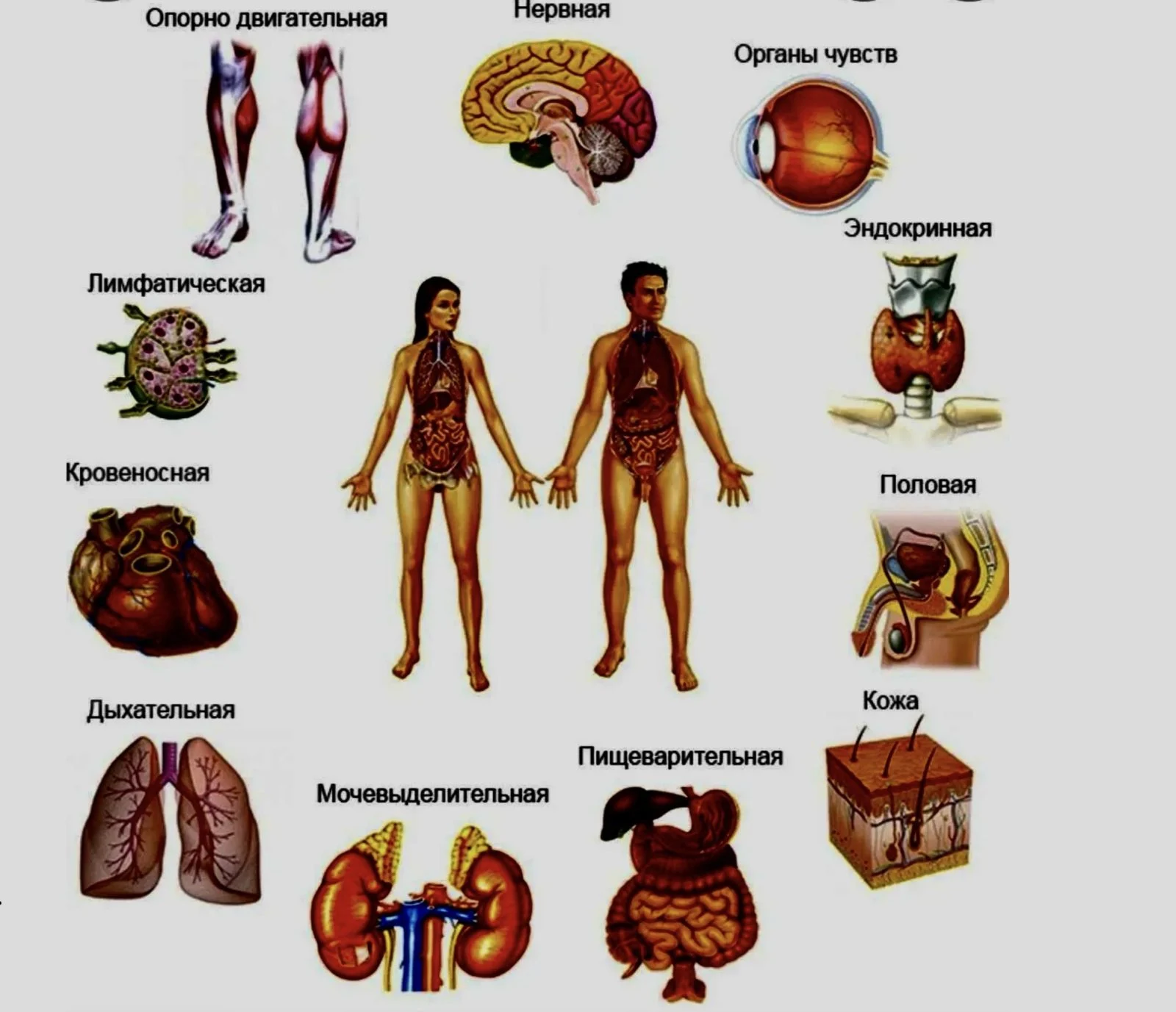
Each of these systems plays an important role in maintaining the health and normal functioning of the organism.
If we consider humanity as a single organism, we can draw analogies between civilizations and the functions of various organs and systems:
1. Chinese civilization — can be represented as the digestive system, ensuring sustainable growth and development through agronomy, production and trade.
2. Indian civilization — can play the role of the nervous system, responsible for spiritual development, philosophy and diversity of cultural practices.
3. Western civilization — could be analogous to the cardiovascular system, providing dynamic movement of ideas, technologies and innovations, as well as economic exchange.
4. Russian civilization — can represent the immune system, protecting the diversity of cultures and traditions, while preserving uniqueness in the context of globalization.
5. Arab civilization — could be associated with the respiratory system, ensuring the exchange of knowledge and ideas, while preserving the historical heritage of science and art.
6. Japanese civilization — can play the role of the skeletal system, providing structure and order through its traditions, technologies and aesthetic principles.
These analogies help to understand how different civilizations can interact and complement each other within the framework of a single organism of Humanity.








Comments (0)