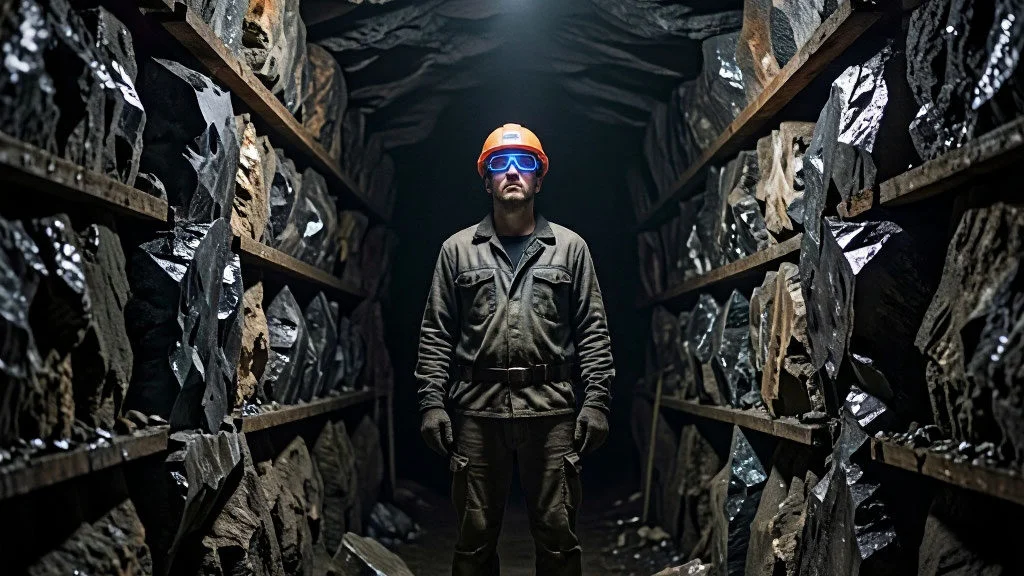

The acoustic landscape of the subsurface translates the dry figures of geomechanics into the realm of human hearing, turning dry numbers into the song of the earth. Today’s geologist is overloaded with maps: pressure patterns, shear vectors. The human mind is poorly suited to watching thousands of changing processes at once on a flat sheet. The digital twin solves this problem by creating a sound environment in which every active process has its own distinct voice.
The process begins with the sonification of data. The system takes the dry output figures of the model — the measure of internal friction, the rate of pore growth, water pressure, flow density — and gives them sonic characteristics. This is not merely the sound of alarms, but a deep interplay of physics and music.
Rock type is determined by frequency and timbre. The pure, high ring of crystalline granites sounds like a tuning fork. Viscous, wet clay produces the low, sustained hum of a double bass. Porous sand has a light, hissing sound like sand pouring.
Volume and movement reflect the magnitude of force. As the earth’s force or the pressure of pumped water increases, the sound grows from quiet to loud. The geologist directly hears the mountain “stretch.” If the volume starts rising very quickly, it is a reliable sign of an imminent rock failure.
Rhythm and motion correspond to the speed of water flow. A calm, slow rhythm means peaceful oil flow. But if the rhythm becomes ragged or accelerates to a tremor, the twin indicates vortices, gas flow, or the onset of borehole wall washout.
Space is conveyed through spatial audio. In the living-story glasses, sound comes from an exact point in the 3D world. If trouble comes from the northern wing of the mine, the geologist will hear the growing rumble exactly to the left.
This changes the very essence of the work. The geologist closes their eyes and “hears” the formation. They can mentally pick up a discord — the sound of friction in a fault that should not have activated, or a wrong sound in the water that portends pump failure.
Before a rupture, the formation sounds like a quiet choir. At the moment a fracture begins, a sharp, high-pitched screech of tearing rock emerges, mingling with the low roar of rushing water. The geologist hears this transition moments before the pressure gauges on the sheet show an anomaly.
The acoustic landscape changes the practice of subsurface work from reading tables to conducting a song. People reclaim their ancient gift — a wondrous ear capable of catching a single wrong note amid the noise of thousands of sounds, sensing trouble not with the eyes but with an inner sense of resonance.



Comments (1)
Сонификация геомеханики — рабочая идея, но её ценность держится на калибровке: звук должен отличать рост трещины от шума насоса, иначе слух устанет от ложных тревог. Для пилота подошёл бы «Норникель» с подземными рудниками — он дал бы архив сейсмо- и геомеханического мониторинга, площадку и геомехаников для разметки событий. Первым шагом собрал бы рабочую группу и прогнал ретроспективу на этих данных до вывода звука в очки. Как планируете калибровать пороги под разные типы пород и масштабы?