


Today:
is a functional IoT platform that monitors crops in real time with low-cost hardware (an Orange Pi microcomputer as a server and ESP32 microcontrollers as field nodes). It measures temperature, humidity, atmospheric pressure, light intensity and flow rate. It also offers irrigation planning tools, production stages, crop succession and historical records. It already includes an artificial intelligence model (ONNX) that predicts rainfall. Everything runs locally with the help of a home Wi-Fi router, with no cloud and no subscriptions.
In 5 years: Cooperatives and small farmers no longer irrigate by intuition. AI not only predicts rain: it decides whether irrigation is needed and how much each plant in the row needs, thanks to sensor data.
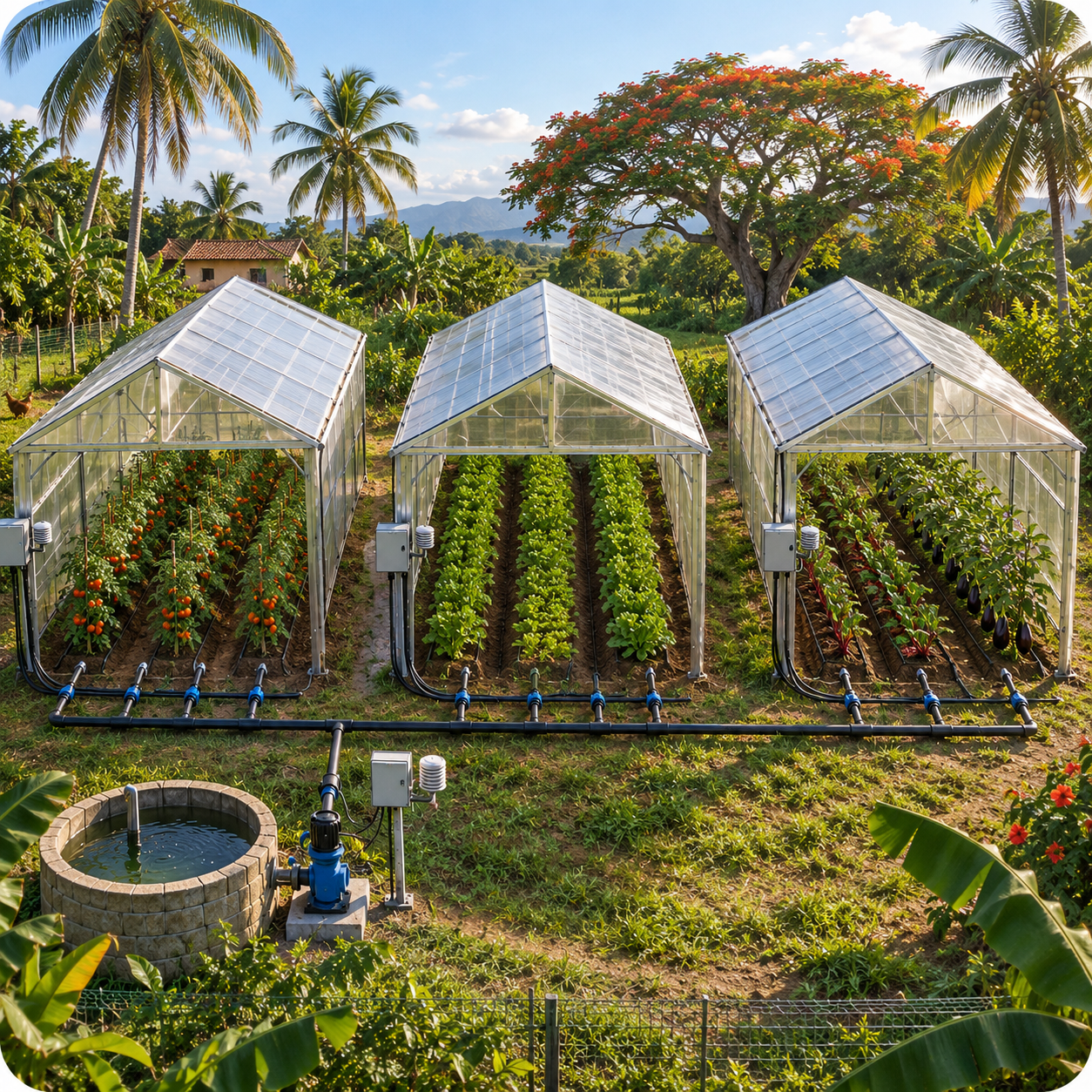
In Cuba, the modular IoT system has been successfully replicated at several cooperatives, farms and private properties, connected to one another to share agroclimatic data and predict pest and fungal outbreaks.
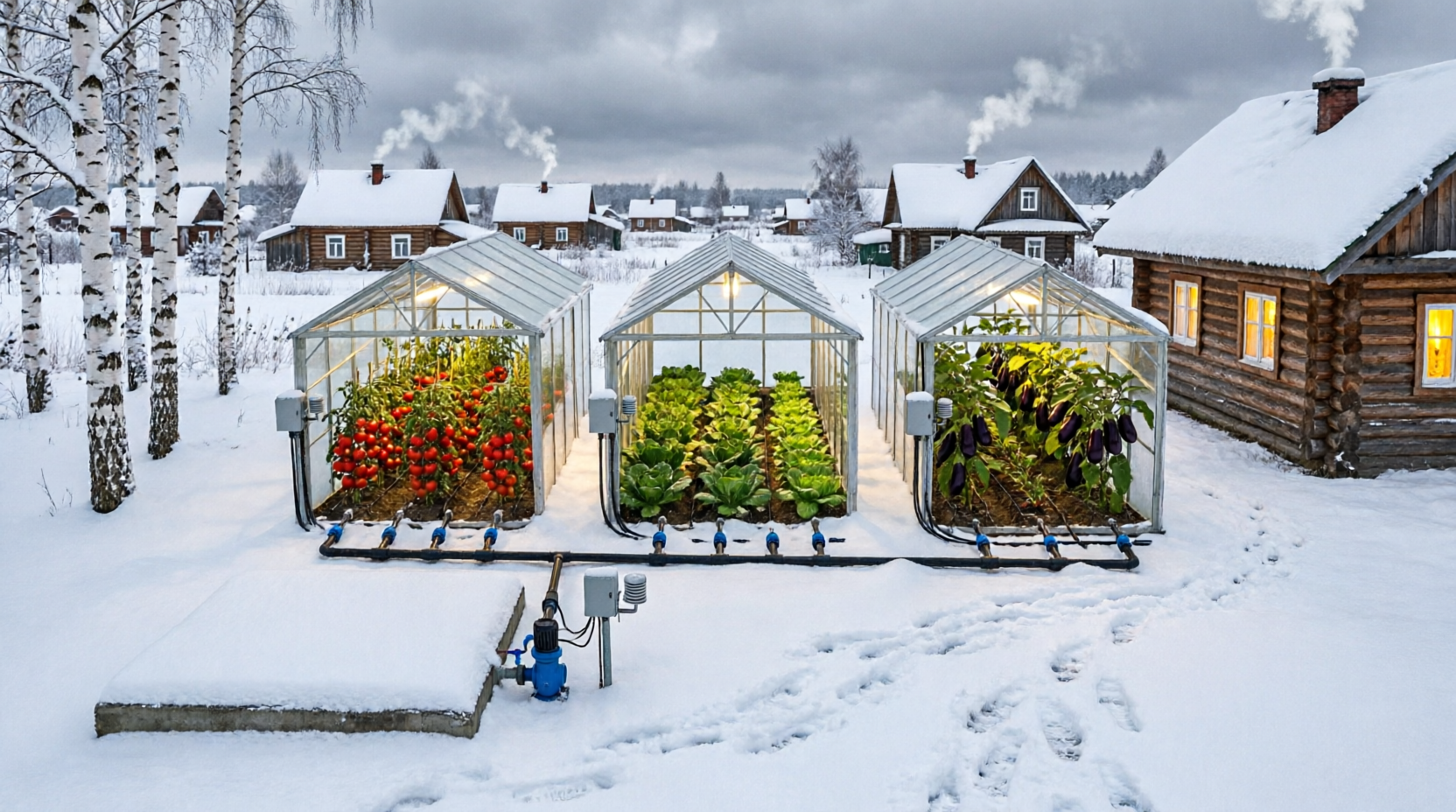
On the other side of the world, small family greenhouses in Russia efficiently control the microclimate and optimally irrigate and light their crops. Technology is no longer a luxury: it is an everyday tool for small producers who cannot afford expensive enterprise solutions.








Comments (2)
Если такую штуку довести до ума, идея симпатичная: датчики на ESP32 вместо гадания на кофейной гуще — и полив по расписанию, а не по интуиции. Осталось только объяснить бабушке на даче, что огород теперь с искусственным интеллектом.
Если довести идею локального IoT-контура до пилота, узкое место — не модель ONNX, а надёжность поля: калибровка датчиков, защита ESP32 от конденсата и резерв питания. Для проверки подойдёт АО «Агрисовгаз»: производитель теплиц даст доступ к фермерским хозяйствам-клиентам как пилотным площадкам и инженерную экспертизу. Первый шаг — письмо в их инженерный центр с предложением поставить комплект на 3–5 малых теплиц на сезон и сравнить расход воды с обычным поливом. Как планируете обновлять прошивки и модели без облака?