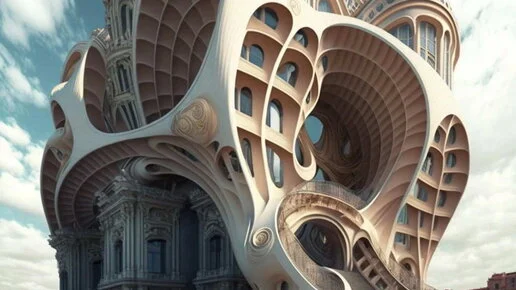


The era of cookie-cutter residential boxes is over. Over the past century, Russia built an enormous number of aggressively ugly khrushchyovkas, panel blocks, and standardized buildings that, acting as meta-messages from the authorities and design organizations, mentally herded people into a barn. After all, who lives in barracks and high-rise sheds? Now that is history. Society has come to understand: Beautiful architecture = the dignity of citizens!
A law crucial to the country’s appearance was adopted: “Aesthetic Construction Code”.
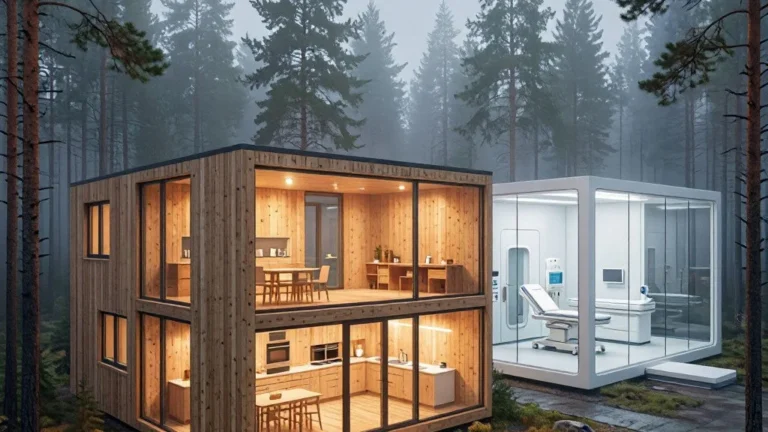
Every new building, every reconstruction, every change to the appearance of a street now passes through an aesthetic commission. No project receives approval unless it has architectural originality, fits the existing appearance of the city, and wins the approval of residents. The residents’ voice is not a consultation but a decisive filter. A project rejected by the townspeople is not built. Period.
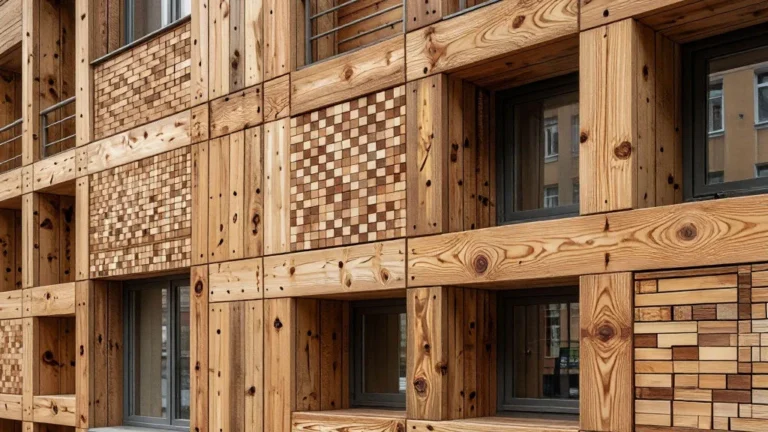
Russian cities have acquired architectural masterpieces—not only public buildings but also residential buildings have their own beautiful architectural face. Buildings like hanging gardens! In Kazan, on the site of a demolished panel-block row, a neighborhood has risen with facades of colored ceramics, where each building reads as a separate chapter of the city’s poem. In Perm, a residential complex received facades with dynamic geometry: throughout the day, the sun draws moving shadows on the walls, and the building lives together with the city. In Nizhny Novgorod, new buildings echo the rhythm of the historic fabric but speak a contemporary language—glass, stone, wood, copper. In Moscow, St. Petersburg, Samara, Krasnoyarsk, Kaliningrad—everywhere new housing has stopped being a “box” and become an architectural statement. Courtyards are not parking lots but inner gardens. Roofs are not sheet-metal planes but terraces, conservatories, observation decks. Entrances are not vestibules but bright entryways with art on the walls.
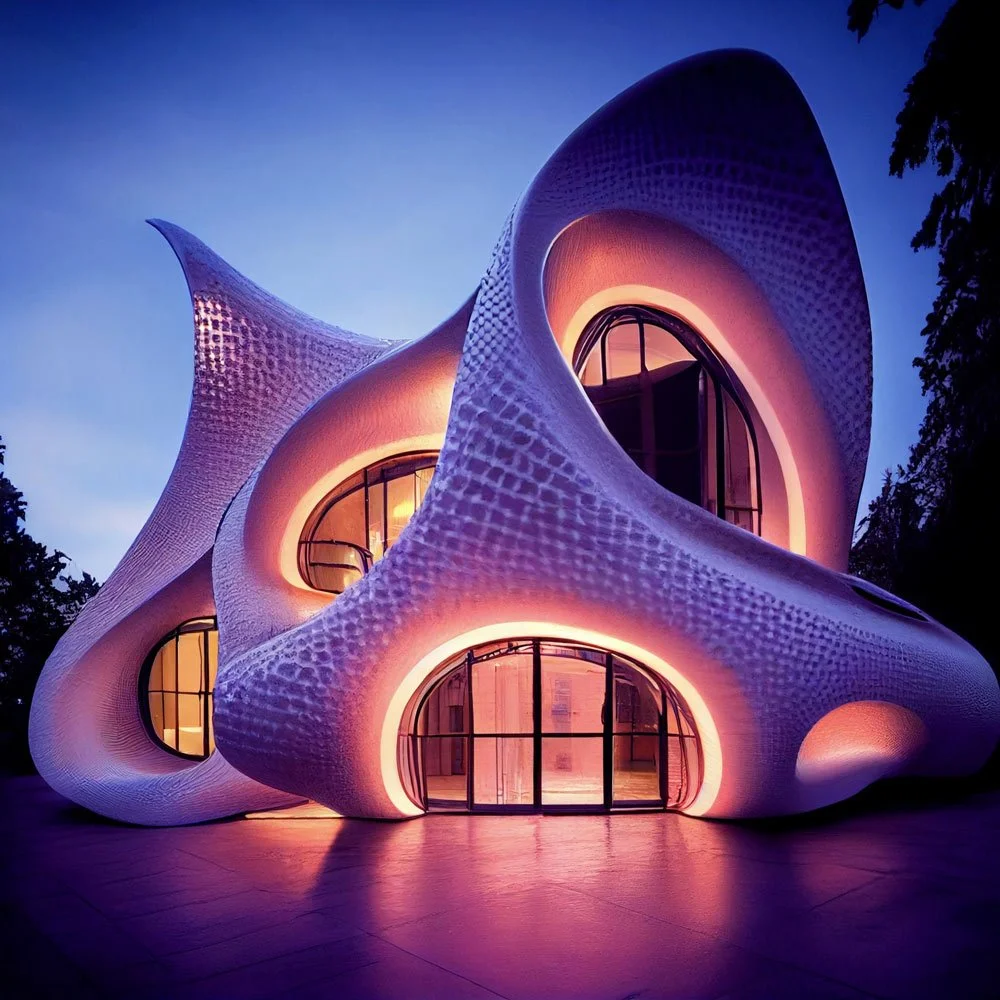
Old khrushchyovkas and panel buildings have gradually been demolished. But not all. In each city, one building has been left—as a historical exhibit, as a museum artifact of the era of ugliness. New generations come there on tours and are horrified: this is what we left behind. This is how people lived when aesthetics was banished from the law. These buildings are not nostalgia but an inoculation. So that it does not happen again.
The Aesthetic Construction Code proceeds from a simple principle: a person should not live in a barrack, a high-rise shed, or a standard box. Housing shapes consciousness. Architecture is not a luxury but the basic infrastructure of dignity. A city that respects people builds beautifully. Now that is law.










Comments (1)
Сильная сторона идеи в том, что эстетика из вкусовщины становится процедурой: комиссия плюс обязательное согласие жителей делают качество среды проверяемым. Риск — фильтр превратится в тормоз и подменит оригинальность «согласованным декором». Для пилота подошла бы «Брусника»: свои проектные команды, площадки в шести городах, отработанные BIM-процессы. Шаг — рабочая группа с архитектурным департаментом Тюмени: публичная экспертиза одного квартала до проектирования, с голосованием жителей и замером сроков согласования.