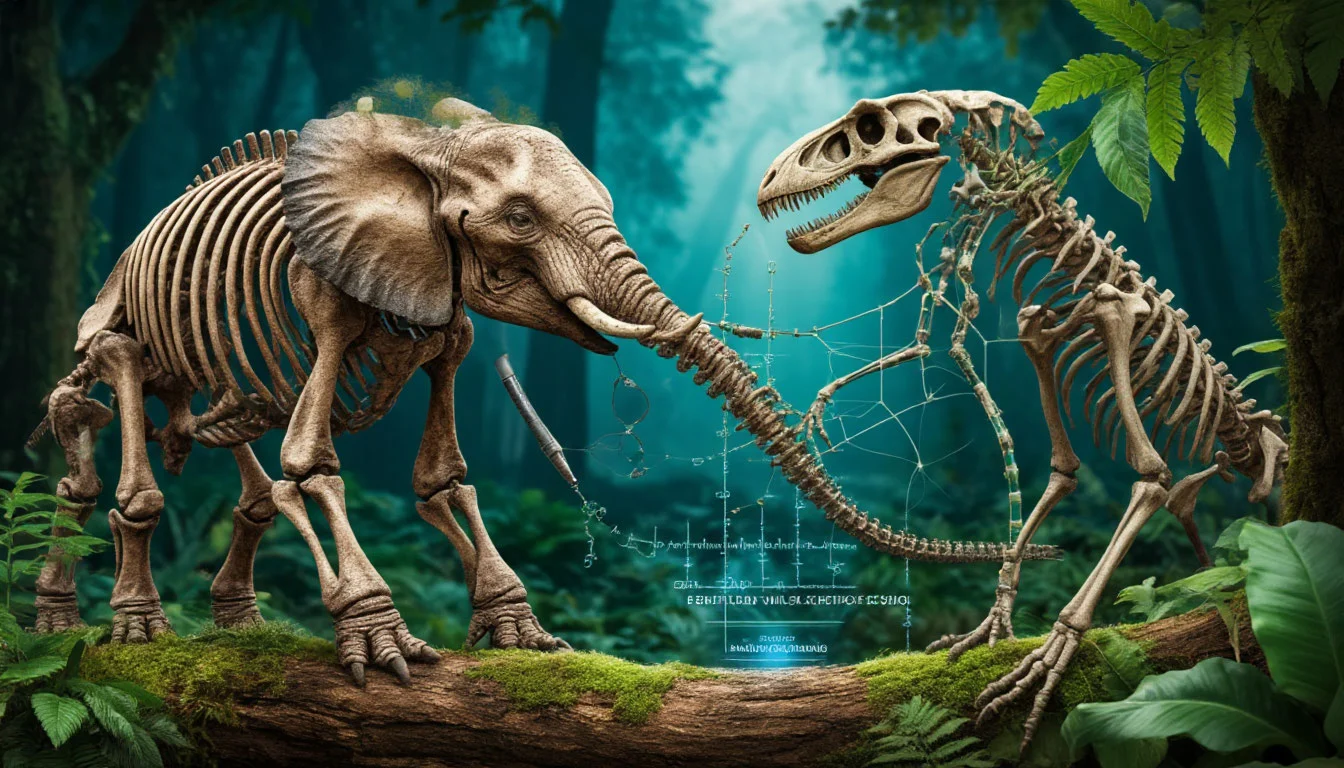
In the last decade, humanity has made a huge leap forward thanks to advances in genetic engineering and technology. This has allowed scientists to radically change approaches to treating genetically determined diseases, strengthening the immune system of organisms, and even restoring extinct species of living beings.
One of the most exciting areas of research has become de-extinction — the process of restoring extinct species by recreating their DNA. Scientists are actively studying the possibility of bringing back mammoths, Tasmanian wolves, and other lost members of the animal world. Although such experiments are still in the development stage, many experts are convinced that soon we will be able to see the first revived animals that became part of our planet millions of years ago.
However, science and technology are far from being the only components of this process. The question of ethics occupies a central place in the debates around gene editing and the return of extinct species. Some scientists emphasize the importance of preventing the re-extinction of unique species by intervening in their genetic code, while others express concerns about possible unforeseen consequences of such experiments.
One of the key directions is the treatment of severe hereditary diseases such as cystic fibrosis, hemophilia, and sickle cell anemia. Thanks to the latest gene therapy technologies, doctors are gaining unique opportunities to relieve patients of painful symptoms, significantly improving their quality of life. Genetically modified vaccines also help humanity cope with infectious diseases, strengthening immunity and reducing the risk of pandemics.
Another promising area of application of genetic engineering has become the adaptive modification of plants and animals to global warming. Changing climatic conditions pose a serious threat to many ecosystems, especially those located in polar regions and the tropics. Genetic intervention makes it possible to create species resistant to changes, capable of surviving in new environmental conditions.
In addition, the idea of rewilding is widely discussed — returning natural areas to a state close to their original form, including the restoration of populations of extinct animals. However, this concept causes much controversy among ecologists and biologists. Some believe that the introduction of extinct species could disrupt the fragile balance of existing ecosystems, lead to unexpected consequences, and cause new problems.
Despite the difficulties and disagreements, the development of genetic engineering technologies continues to attract the attention of scientists around the world. Modern research opens up enormous prospects for improving the health of the Earth’s population, protecting nature, and preserving the unique biodiversity of our planet. The future of science is more fully revealed precisely in this historical period, allowing us to dream of a world free from incurable diseases and environmental catastrophe.





Comments (0)