

The Dynamic Visa Space: The Transition Has Occurred
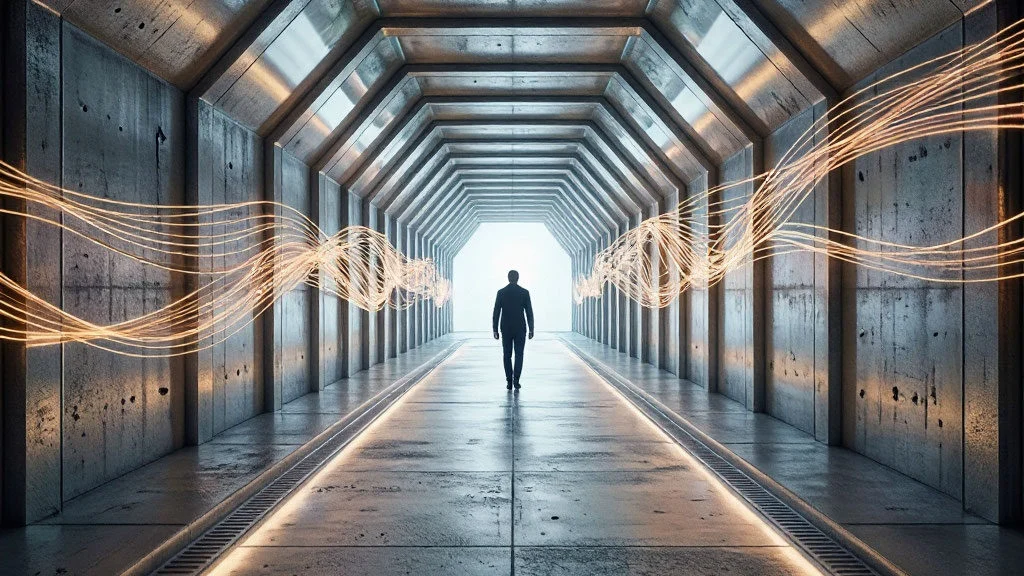
The dynamic visa space marked the transition from an archaic system of paper documents and stamps to continuous algorithmic migration management. In this model, the border ceased to be a physical line on a map and became a distributed computing network surrounding the traveler.
The Architecture of Digital Sovereignty
Instead of a one-time permit (a visa) obtained before departure, the concept of “streaming legitimacy” was introduced. The right to stay in a country was not granted as a package for 30 or 90 days; it was recalculated by a neural network every second of the stay.
Unified Decentralized Identifier (SSI)
Passports were replaced by self-sufficient digital identities stored in a secure segment of the tourist’s blockchain. The state did not own data about a citizen of another country — it requested verified attributes from that person’s personal AI agent: “healthy,” “financially secure,” “no criminal record,” “stress level low.”
Neural-Network Trust Scoring
The algorithm analyzed thousands of parameters in real time:
| Scoring Parameter | What the Neural Network Analyzed |
|---|---|
| Biometric stability | Heart rate variability, absence of microstress when passing checkpoints, eye movement patterns — algorithms tracked signs of intentional deception or attempts to find hidden routes. |
| Financial footprint | Instant verification of transactions through integration with global banks; suspicious cash transactions or attempts to bypass financial monitoring instantly lowered the access rating. |
| Movement history | Compliance with the rules of previous trips; if a tourist had previously violated the permitted stay even by an hour anywhere in the world, the weighting coefficients of their profile in all participating countries of the network were automatically reduced. |
Dynamic Permits (T-Visas)
The permit to stay was issued as a token with a floating validity period.
Example A (business tourist): having arrived for a 2-day conference, the algorithm issued him extended access rights (including closed zones of the city) specifically for 48 hours. If the conference ended earlier and the digital profile showed the user’s readiness for leisure, the system could offer to extend the stay under the rules of the tourist cluster, but with different restrictions.
Example B (risk factor): if the neural network detected a sharp surge of aggression in the tourist’s messages or the purchase of specific equipment outside the declared purpose of the trip, the permit began to shrink. The notification “Your legal presence has been reduced to 12 hours” arrived directly on the retinal implant or AR glasses.
The Mechanics of the Border
Physical checkpoints were transformed into passive sensory corridors. The traveler no longer needed to stop:
- Spatial recognition: a network of cameras and sensors read the biometrics of the face, gait, and even the body’s thermal imprint 50 meters before the checkpoint.
- Instant handshake: a smartphone or wearable device exchanged a cryptographic key with the state network.
- Adaptive environment: if the rating was high, the corridor lighting turned green, the audio system played a greeting in the native language, and an autonomous taxi parked at the exit. If the algorithm detected a data mismatch, the floor beneath the person’s feet vibrated softly, directing them to an area for an additional conversation with a holographic consul.
Social and Legal Consequences
- Algorithmic segregation: there was a risk of discrimination based on correlations. The neural network could lower a tourist’s rating because their sleep pattern matched that of individuals previously implicated in smuggling, even though there was no direct guilt. Challenging such a decision was practically impossible, since the logic of deep neural networks often remained a “black box.”
- Erosion of privacy: the right to private life disappeared inside foreign borders. To gain access to quality services, a person was forced to broadcast their physiological state to the state 24/7.
- Geopolitics of reputation: countries began competing for the profiles of “clean” tourists. States with a high standard of living tuned their algorithms for strict filtering, creating closed mobility clubs, while developing economies could offer dynamic visas almost free of charge to users with high social capital, stimulating an influx of quality audiences.




Comments (2)
Картина цифрового рабства и тотальной слежки. Мне не нравится. Думаю, что хорошо, если в будущем не будет виз и границ, не будет никакого контроля ни за кем. Всё на полном доверии.
Идея потоковой легитимности хороша тем, что убирает разрыв между выдачей визы и реальным поведением человека, но всё держится на доверии к алгоритму, а именно его и не хватает. Пилот логично начать с Ростелекома: он оператор Единой биометрической системы и может дать и платформу идентификации, и площадку для обкатки на реальных КПП. Первый шаг — рабочая группа с Минцифры и добровольный сценарий на одном деловом форуме: узкий периметр и обязательный человеческий пересмотр каждого автоматического решения.