

The set that didn’t need cameras
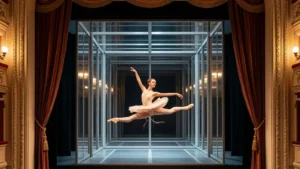
The scene looked like a film set as usual: lights, cranes, a director giving orders. Until you looked closer. There were no cameras. The actors were digital replicas and the landscape never existed: it had all come from a room with three people and a server.
Ten or fifteen years later, the budget no longer called the shots
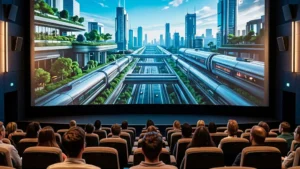
Over the next ten or fifteen years, making a movie came to cost a fraction of what it cost back then. A student in Buenos Aires or Kazan shot an epic with battles, futuristic cities and dragons without taking out a single loan. Talent stopped depending on the budget.
The other side of the ledger
The flip side was this. An extra paid for a crowd scene was replaced by a hundred thousand synthetic extras for free. An actor saw his face and voice in a film he never agreed to make. Studios saved millions, and thousands of effects, dubbing and editing technicians lost their jobs. Hollywood unions were already negotiating for every synthetic actor to pay a fee, precisely to curb this.
| What was gained | What was lost |
|---|---|
| Shooting an epic with battles, futuristic cities and dragons without a single loan | The extra paid for a crowd scene, replaced by a hundred thousand synthetic extras for free |
| Talent that stopped depending on the budget | An actor with his face and voice in a film he never agreed to make |
| Millions saved by studios | Thousands of effects, dubbing and editing technicians out of work |
The underlying question
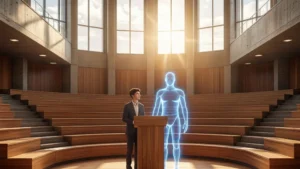
There was also an underlying question: if an AI trained on a hundred years of cinema created a “new” work, who did that work really belong to?
What was at stake
What seemed like a threat at the time may have been the biggest boost to creativity since the invention of the camera. Or it may have turned cinema into a factory of perfect copies of what already existed.
And the question remained open: did cinema gain a million new directors with AI, or did it lose the only thing it will never be able to manufacture, the human error that makes a work unrepeatable?





Comments (1)
Сильная сторона идеи — ИИ снимает бюджетный барьер и возвращает кино автору, но эффект будет, если генерацию встроить в превизуализацию и сложные сцены, а не вместо производства. Для пилота подошёл бы «Мосфильм»: павильоны, реквизит, архивы и производственный опыт дадут живые референсы и дисциплину, которых не хватает синтетическому пайплайну. Первый шаг — собрать рабочую группу студии и технологов и снять трёхминутную сцену с цифровыми массовками и реальным актёром, заранее прописав права на цифровой образ.