{
«title»: «Space Veterinary Medicine»,
«excerpt»: «»,
«content_html»: «
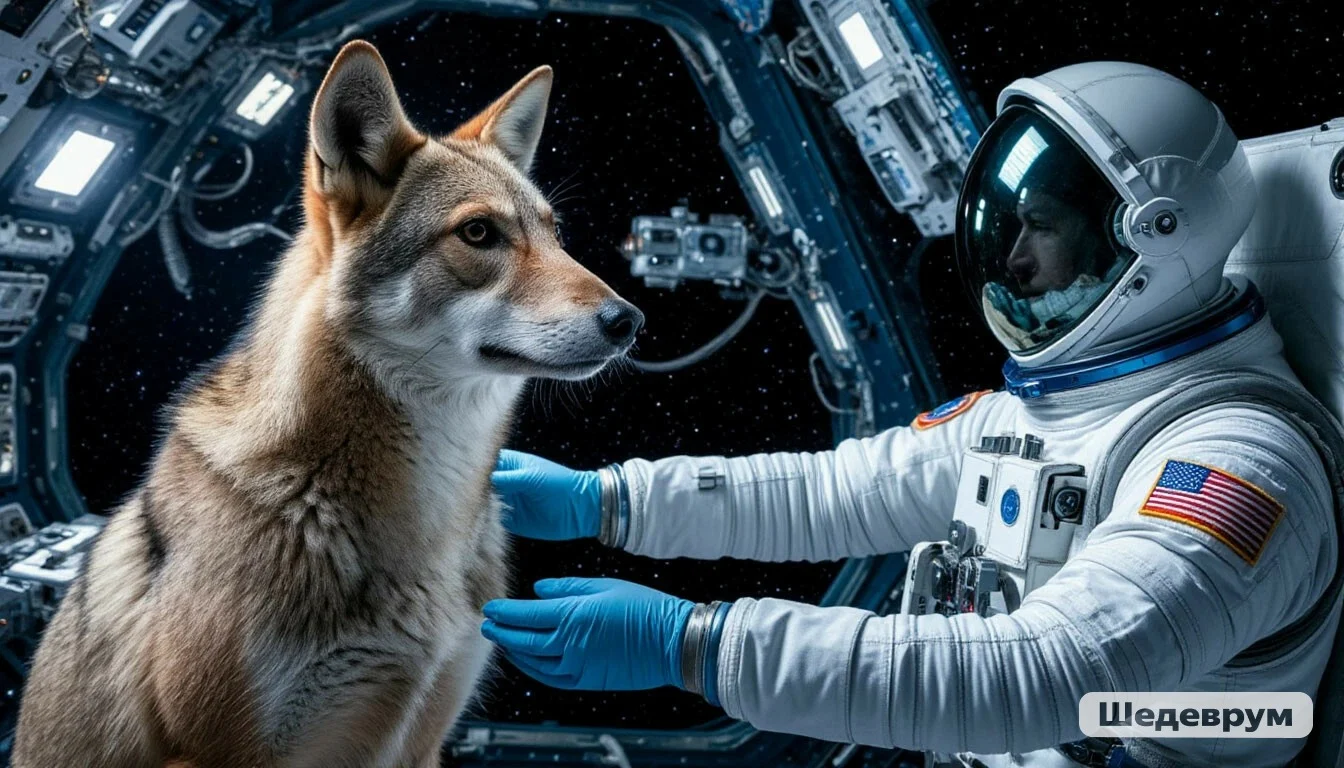
A new era of space exploration has begun, but along with reaching the stars, serious challenges have arisen related to the survival of animals in low-gravity conditions. Modern technology has found a solution to this problem by offering genetically adapted animals created specifically for living on orbital stations.
Specialists have performed genetic manipulations that gave cats, dogs, rodents, and even aquarium fish the ability to develop and function normally in weightlessness. These animals are characterized by increased resistance to adverse factors of spaceflight, such as bone loss, muscle atrophy, and weakened immunity.
Professional veterinarians, working remotely through holographic avatars, have taken on the care of space pets’ health. These virtual assistants, operated by experienced doctors from Earth, are capable of conducting examinations, diagnosing conditions, and prescribing appropriate treatment.
Orbital stations are equipped with modern medical devices: high-resolution video cameras, ultrasound machines, and laboratories furnished with a set of reagents and equipment for rapid analysis. Virtual veterinarians remotely guide astronauts’ actions, performing the necessary diagnostics and providing consultations on animal care.
Space veterinary medicine must consider numerous nuances, such as maintaining optimal air temperature and humidity, proper nutrition, and animal hygiene. Particular attention is paid to social interactions and the emotional state of pets forced to remain in the confined space of the station for extended periods.
Scientific experiments conducted within the framework of space veterinary medicine provide valuable information about the effects of long-duration spaceflight on animal and human organisms. The accumulated knowledge will make it possible to prepare for interstellar travel and long-term expeditions to distant planets such as Mars and Jupiter.
Space veterinary medicine symbolizes a powerful impetus in the development of science and technology, opening new horizons for space exploration and the creation of comfortable living conditions for humans and animals in outer space.
»
}




Comments (1)
Материал очень хорошо показал, как генная инженерия и телемедицина объединяются для решения сложных задач выживания животных в космосе. Интересно, как именно генетические изменения влияют на долгосрочное здоровье животных, и планируется ли изучать возможные мутации или побочные эффекты на протяжении нескольких поколений?