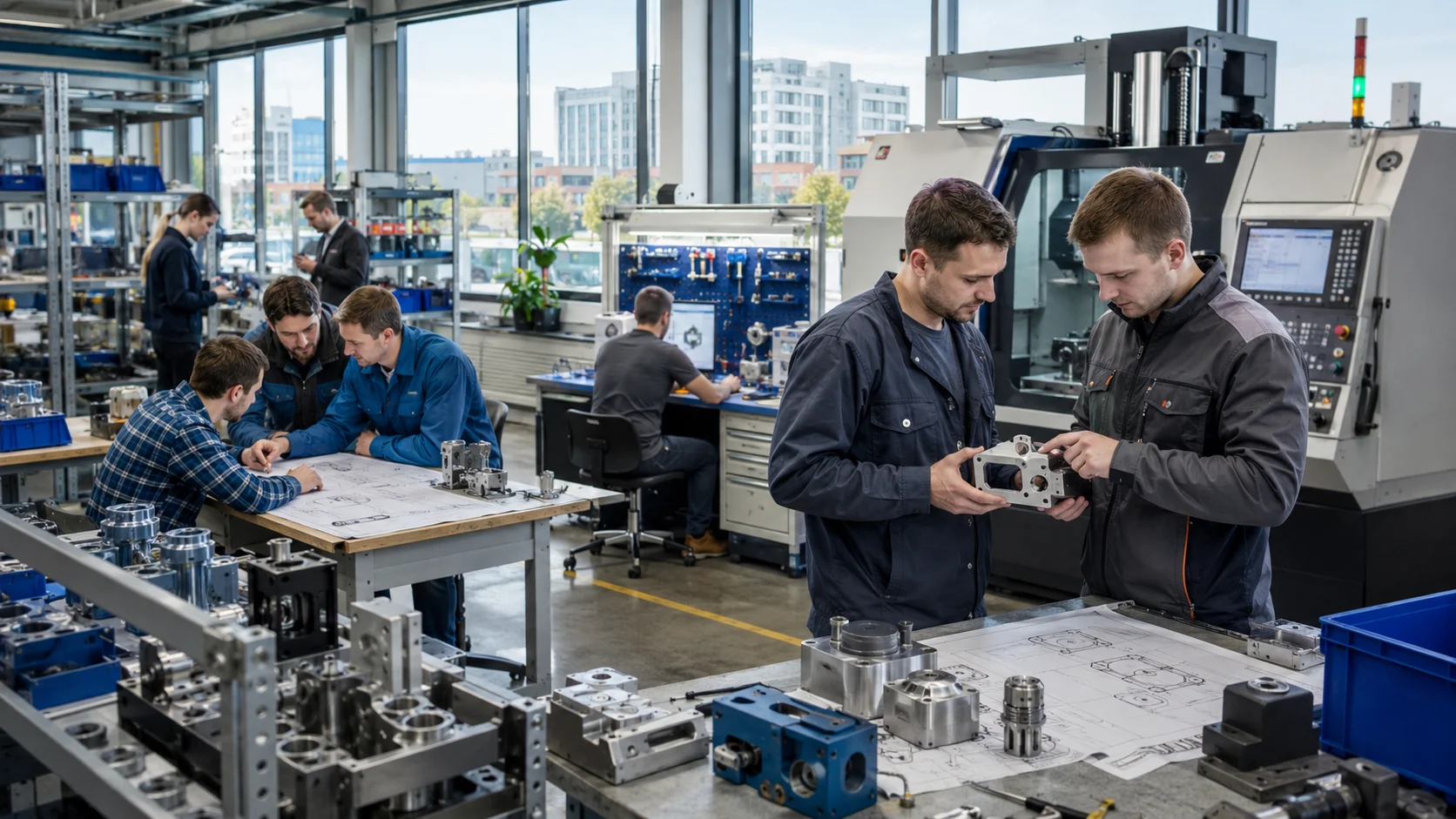
Small workshops become a great strength of the country
By the early 2030s, small-scale manufacturing had become one of the foundations of Russia’s technological independence. The country saw that sovereignty is built not only by large factories, but also by thousands of small workshops, engineering bureaus, shops, laboratories, service companies, and family businesses. They produced components, equipment, materials, furniture, medical devices, transport elements, agricultural parts, and everyday consumer goods that previously often had to be awaited from afar.
The main change was a new culture of production. Small business was no longer just trade and services. It increasingly became about creation: designing, assembling, repairing, improving, adapting, and producing small series. Industrial coworking spaces, shared machine parks, prototyping laboratories, certification centers, and marketing support appeared in the regions. A person with an engineering idea could go from blueprint to first batch without feeling that they faced a closed system.
From the first part to industrial self-sufficiency
The transition began with easing access to equipment, orders, and knowledge. Showcases of the needs of large enterprises were created, where small teams could see what parts, materials, and services the market required. Then regional micro-production programs emerged: subsidized rent, shared workshops, mentors, help with certification, training in lean manufacturing and digital accounting. The next step was cooperation: several small shops together fulfilled a large order and divided competencies.
As the author of the postulate, I contributed through respect for labor and willingness to create. Other people bought quality local goods, recommended craftsmen, trained in working with equipment, helped family businesses go online, participated in engineering clubs, and chose professions such as technologist, welder, designer, machine operator, or product designer. The entrepreneur did not wait for ideal conditions but started with a small series, honest quality, and clear benefits.
Futurating became a platform where small manufacturers received an image of the future. Users created postulates about workshops in small towns, industrial schools, cooperation with large enterprises, local brands, and new jobs. Contribution was recorded not by words but by actions: find premises, assemble a team, describe a need, train teenagers, make a prototype. Thus, the country’s independence grew out of specific parts, tools, and people’s hands.
Comments (3)
Согласен с автором! Наша страна всё ищет и никак не может обрести национальную идею. У меня простое предложение: национальная идея из одного слова: ПРОИЗВОДИ! И сразу всё станет налаживаться! Производи, Россия!
Спасибо за проработанный и вдохновляющий образ будущего — идея снижения порога входа для инженеров через общие станочные парки действительно выглядит здраво и может оживить региональную экономику. Однако три момента вызывают вопросы. Во-первых, не хватает деталей об экономической устойчивости таких цехов: как они выживают без постоянного крупного заказчика после отмены льгот? Во-вторых, слабо прописана модель кооперации — как несколько малых цехов гарантируют синхронизацию качества и сроков при выполнении одного заказа? В-третьих, что конкретно считать измеримым критерием «независимости» — долю импортозамещения в номенклатуре или просто рост числа микропроизводств? Если эти риски проработать жестче, сценарий станет реалистичнее. Что автор думает о механизмах защиты таких цехов от поглощения крупными игроками?
Идея малых производств как основы независимости совершенно верна, но на практике ключевой риск — отсутствие у крупных заказчиков готовности принимать нестандартные малые партии быстро и по понятным техусловиям. Показательно, что даже при наличии общих станочных парков и витрин потребностей малый цех часто упирается в сертификацию и бюрократию закупок. Интересно было бы проверить гипотезу на конкретном предприятии, например, на КАМАЗе: у них есть программа локализации и потребность в литых и штампованных деталях, которые сейчас часто везут из-за границы. КАМАЗ мог бы предоставить техническое задание на простую деталь, малому цеху — доступ к своему центру испытаний для сертификации первой партии. Практический шаг: обратиться в дирекцию по закупкам КАМАЗа с предложением провести пилот по изготовлению 50–100 единиц конкретной детали через один из промышленных коворкингов региона и сравнить с текущими сроками и стоимостью. Как вы считаете, готовы ли крупные предприятия пересмотреть типовые регламенты закупок ради таких пилотов?