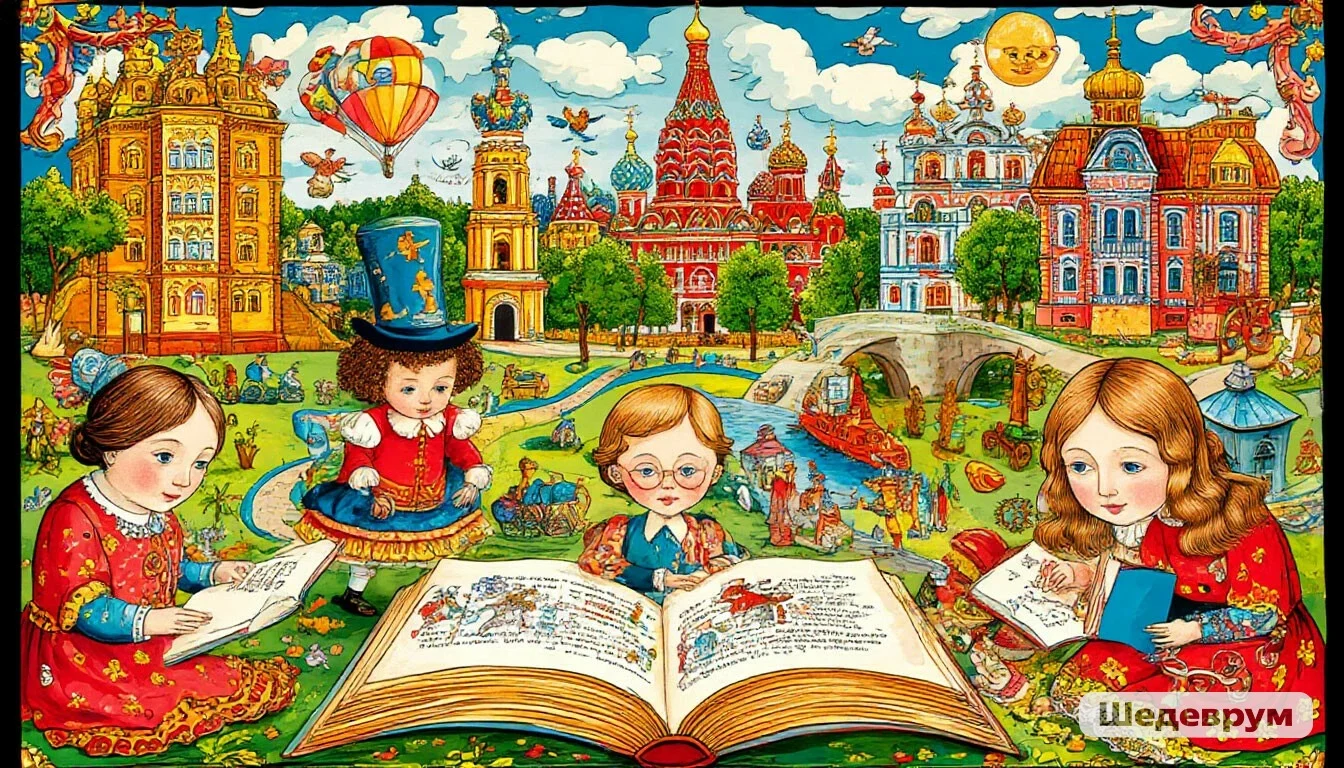
Irina Sheibak is a renowned Russian children’s author. We analyzed her speeches using a neural network: we offer you an extended text from the outstanding writer about the future and shaping its image for the younger generation.
The plot content of a children’s work should be centered around a key axis—the situation of conscious moral and ethical choice. A person’s character is not born in a vacuum nor formed by declarative teachings; it is forged in the fire of life’s trials, when the hero has to make difficult decisions and bear full, inevitable responsibility for them. The book must clearly show the cause-and-effect relationships between the character’s internal decision and the real consequences that this decision leads to for both the hero himself and the people around him. In children’s literature, blurring of ethical categories is unacceptable: the concepts of good and evil must be clearly delineated. Attempts to shift the narrative into a zone of gray morality, where betrayal can be justified by circumstances and cruelty by weakness, disorient the child, depriving them of basic psychological support. Literature is meant to convey exemplary models of behavior that serve as a visual guide for the young reader in building their own life strategy. By going through the crucible of trials together with the character, making mistakes and correcting them, the child gains invaluable vicarious experience. They learn to understand that honesty, fidelity to one’s word, compassion, and courage are not abstract virtues from a textbook, but real tools for creating a quality, dignified life. The author’s clear ethical position helps the child form an internal value system that will protect them from manipulation and false temptations in the future. Literature thus takes on the crucial function of intergenerational continuity, transmitting through artistic images the basic moral code without which a healthy, cohesive, and responsible society cannot exist.
Read the interview with Irina Sheibak on our platform!
Comments (1)
Автор абсолютно верно фиксирует ключевой механизм воспитания через литературу: викарный опыт морального выбора работает эффективнее прямых назиданий именно благодаря эмоциональному сопереживанию. Однако на практике реализация такой модели упирается не только в талант писателя, но и в редакционную политику издательств, которые часто боятся острых этических дилемм в книгах для подростков, чтобы не отпугнуть консервативную аудиторию родителей. Если закладывать этот принцип в основу образовательного трека, интересным партнёром мог бы стать холдинг «Просвещение‑Союз» — у них есть опыт интеграции художественных текстов с методическими материалами для школ. Они могли бы предоставить пилотную площадку в сетевых школах для апробации книг с чёткой этической структурой и последующим анкетированием детей. Следующий шаг — написать в редакционную группу детской литературы этого холдинга с предложением совместно отобрать 3–5 современных повестей, где причинно-следственные связи поступков показаны без серой морали, и разработать к ним читательские дневники с вопросами для рефлексии.