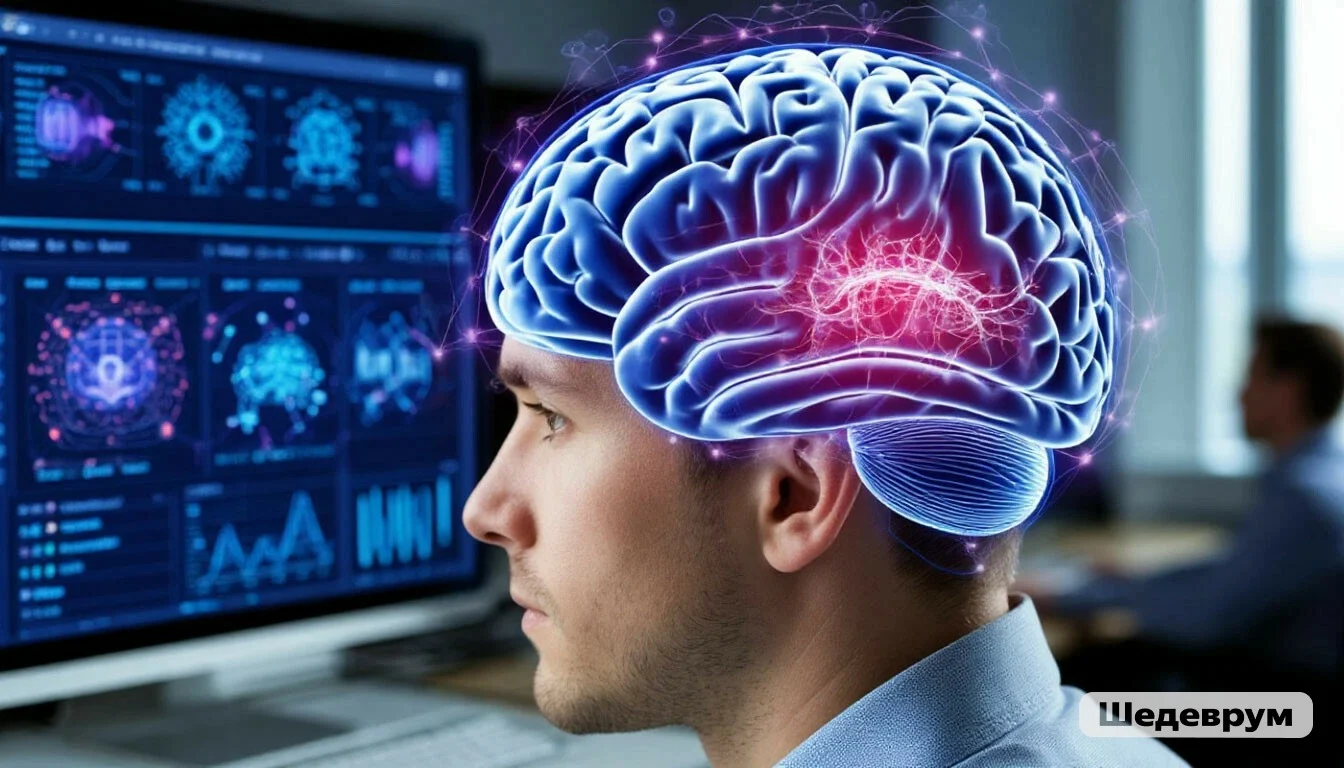
The integration of neurostatistics with brain-computer interfaces (BCI) has revolutionized data analysis and forecasting of public trends. Neurotechnology has given scientists and researchers the ability to directly study cognitive brain patterns of large numbers of people, providing deep analysis of psycho-emotional reactions, intentions, and expectations.
The principle of neurostatistics is simple: experiment participants wear special neurocontrollers that record the brain’s electrical activity. The signals are decoded using complex algorithms that identify characteristic patterns of mental activity, emotions, and motivations. The data is then collected into a unified database, where statistical calculations are performed and common patterns are discovered.
The practical applications of neurostatistics are extremely diverse. By analyzing billions of brain signals, specialists can identify emerging social and consumer trends before they appear on the markets. It is possible to assess society’s reaction to political decisions, advertising, and cultural phenomena, determine the preferences and expectations of various population categories, and design personalized educational courses and therapeutic programs.
In marketing and advertising, brands use neurodata to select the most effective communication materials and visual solutions. In politics and sociology, neurostatistics is used to measure the opinions of voters and potential supporters. In education, teachers and psychologists build individual learning trajectories, taking into account the characteristics of students’ cognitive functioning. Product and service developers use neurodata to design products that best meet customer needs.
The continuous development of neurointerfaces and data processing algorithms reduces costs and increases the accuracy of analysis. Experts are confident that in the next ten years, neurostatistics will become the standard for most organizations involved in studying public opinion and creating products.
The widespread adoption of neurostatistics also raises serious ethical questions related to privacy protection and citizens’ rights to personal secrecy. Many countries, including the Russian Federation, are actively developing legislative norms regulating the use of neurodata and protecting citizens’ rights.





Comments (2)
Впечатляет, как нейро-статистика позволяет увидеть общественные тренды раньше, чем они проявятся в явном виде. Особенно интересно применение этой технологии в образовании — создание индивидуальных траекторий обучения на основе когнитивных особенностей учеников звучит как настоящий прорыв. Остался только один вопрос: как именно обеспечивается защита этих самых нейроданных от утечек и злоупотреблений, учитывая их чрезвычайно личный характер?
А если человек счастлив и его всё устраивает в текущей жизни? Нужны ли ему нейроинтерфейсы?