{
«title»: «The Image of the Future in the Russian Language»,
«excerpt»: «»,
«content_html»: «
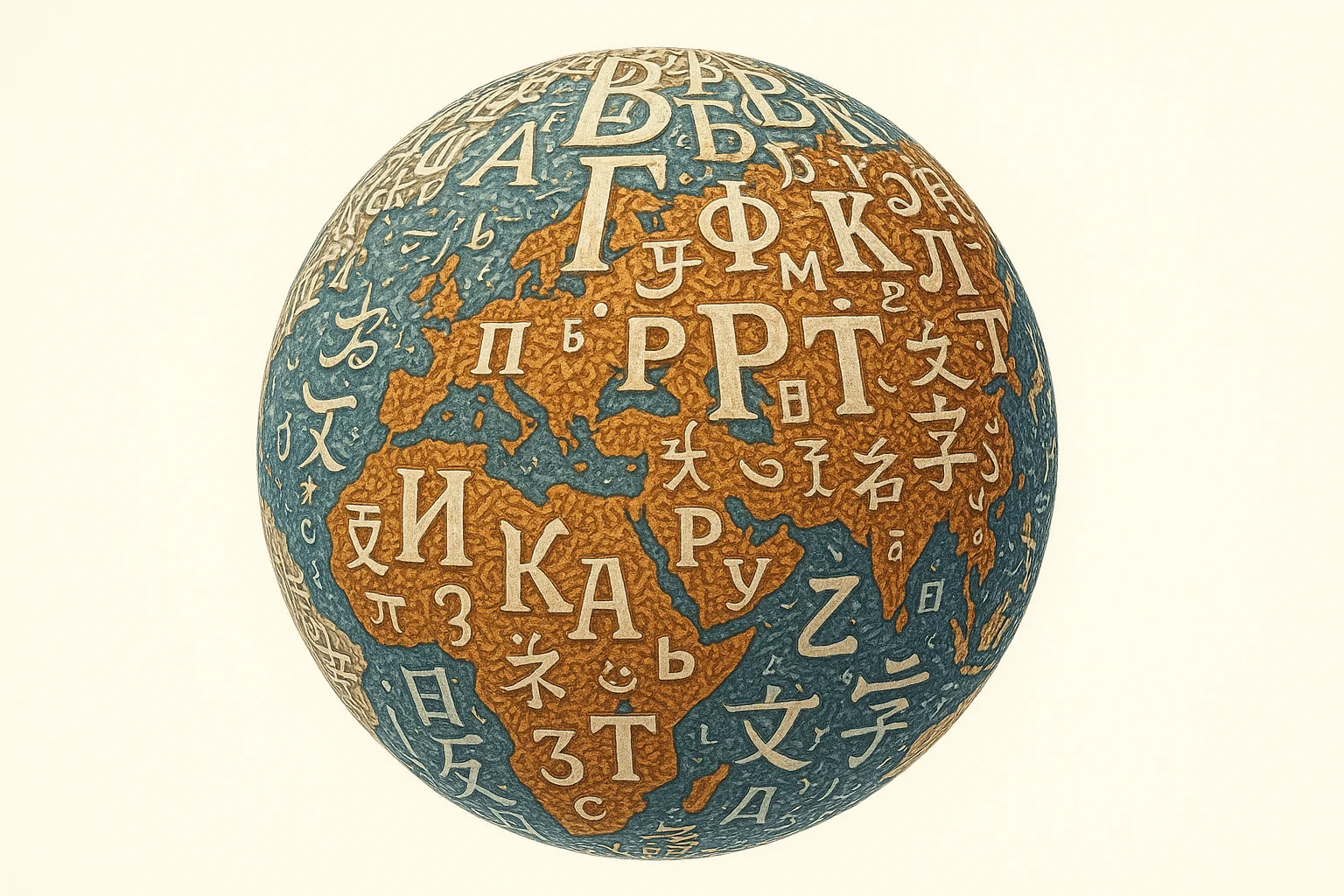
The Russian language today stands at a historically important crossroads: on the one hand, the pressure of cancel culture, isolation from the global humanitarian space; on the other, a chance to redefine its role in shaping the image of the future. Future projects were more often created in Latin, English, and German. However, the Russian language has twice asserted itself as a linguistic foundation of the world: in 19th-century literature and in Soviet science fiction of the 20th century, offering an original noospheric model of the future.
The Russian language can serve as the basis for a new assembly of the world thanks to three features.
First, it readily absorbs borrowings and quickly adapts them: foreign words become “one’s own,” are declined and conjugated according to the rules.
Second, Russian has a broad semantic spectrum and metaphorical flexibility—it can connect the difficult-to-compatible and express the difficult-to-express.
Third, the structure of the language is free: the sentence, the paragraph, even the logic of the text are plastic, allowing the creation of original meaningful forms.
These properties make Russian a unique tool for integrating different cultures and linguistic worlds. It is capable not just of borrowing, but of reassembling the French, Arabic, Chinese, and English worlds—but on its own lexical and semantic basis. The Russian language does not displace; it absorbs.
However, after the collapse of the USSR, this potential was lost. The new task is to begin assembling the world in Russian once again. For this, it is necessary that people again write, think, and create meanings in it. The Russian language can become the infrastructure of the future, a “linguistic Solaris,” where different cultural codes live and interact. It is no longer just the language of a nation—it is a space capable of carrying a complex, multi-layered image of the world.
»
}





Comments (0)