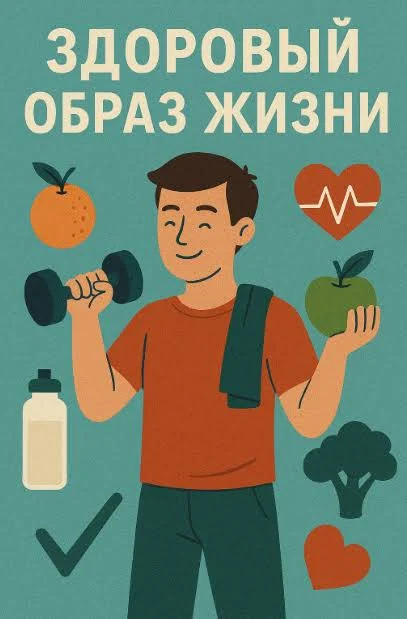



The Postulate of a Sober Russia
Russia became a sober country in 20 years. Alcohol is a most foolish tradition, a toxic brake on evolution. A Russia without alcohol is a Russia of clear mind, high productivity, and genetic health. We did not lose the “culture of drinking”; we gained a culture of rational living.
Alcohol is a legalized drug that has been used for centuries as a tool of governance and taxation, but its price is the degradation of the gene pool. In any dose, ethanol is a poison that kills neurons and destroys internal organs. The new Russia proceeds from the premise that sobriety is a natural human state, not a feat. We stopped romanticizing the “green serpent” and began to perceive it as a threat to national security.
Roadmap: From Education to Law
A graduated scale was introduced, from mild measures to a total ban.
Stage 1: Information Hygiene and Economic Pressure (Soft Power)
- 1. Public service advertising in a new format. The image of the “successful person with a glass” was removed. Instead, there was promotion of clarity, sports, and career achievements. Slogan: “A clean body means a clear mind. You are stronger than this swill.”
- 2. Excise taxes were sky-high. The price of alcohol was artificially driven through the ceiling. A bottle of vodka came to cost as much as a good smartphone. Drinking became economically unprofitable for 90% of the population.
- 3. A change in public opinion. Sobriety became fashionable. Drinking is not “the Russian way” but stupid, vulgar, and low-level. It is the lot of the weak and the degrading.
Stage 2: Limiting Physical Availability (Medium Power)
- 4. Points of sale were moved outside the city (no closer than 10 km). Alcohol ceased to be “within walking distance.” Buying it became a logistics problem. The temptation to “pop in for a minute” disappeared.
- 5. Closure of specialized alcohol markets. Retail chains completely refused to sell strong alcohol. Only wine departments remained in large hypermarkets, with a strict limit.
- 6. Experience of alcohol-free countries. The models of Muslim countries and Scandinavian states (for example, the state monopoly in Norway and Sweden), where access to alcohol is strictly regulated, were studied and adapted.
Stage 3: Total Legislative Ban (Hard Power)
- 7. Total ban on alcohol imports. The border was locked. Any attempt to import elite alcohol was treated as drug smuggling.
- 8. Sobriety law. Complete ban on the production, storage, and sale of ethyl alcohol for food purposes within the country. Technical alcohol—only under strict state control for industry.
- 9. Criminal liability. For appearing in a public place while intoxicated—serious fines or correctional labor. For selling—a prison term.
Bonuses for the Economy and National Health
When Russia completely renounced alcohol, the country received colossal dividends.
1. Demography and National Health
- Increase in life expectancy: reduced mortality from poisoning, cirrhosis, cardiovascular diseases, and accidents. Men stopped dying at 50.
- Healthy offspring: fetal alcohol syndrome disappeared. This is a severe, irreversible developmental disorder in a child that occurs because the mother drinks alcohol during pregnancy. Ethanol passes freely through the placenta and damages the central nervous system and tissues of the fetus. Fetal comes from the Latin noun fētus (offspring, birth, pregnancy, progeny). The birth rate of healthy children increased, and the number of children with developmental abnormalities decreased.
- Mental health: the level of domestic violence, murders, and suicides decreased (alcohol is a catalyst for aggression and depression).
2. Economy and Productivity
- GDP growth: a sober worker produces 2–3 times more, gets sick less often, and does not skip work. Business spending on sick leave decreased.
- Budget relief: the state stopped spending money on treating alcoholics, maintaining sobering-up stations, police, and courts. These funds go to education and medicine.
- Income redistribution: money that previously went to the alcohol industry remains in families and is spent on durable goods, tourism, sports, and children’s education.
3. Social Climate
- Crime situation: a sharp drop in street crime. Most crimes used to be committed while intoxicated.
- Cultural shift: time was freed up for creativity, sports, and self-development. Holidays became a memory of events, not of the amount drunk.
- Family values: the number of divorces and family tragedies related to drunkenness decreased.
A Russia without alcohol is not a “boring” country but a superpower with a clear consciousness, where the energy of citizens is directed toward creation, not self-destruction.
I do not drink myself and try to keep others from doing so. I support any initiatives related to sobriety.






Comments (2)
ДААААА!! Алкоголь страшное зло, навязанное сильными мира сего для управления народом!! Очень поддерживаю идею, и верю, что человек с бокалом в руке будет выглядеть как прокаженный, от которого будут все шарахаться!
Сильная сторона сценария — связка здоровья и производительности, а поэтапность делает его реализуемым. Но запрет без замены рабочих мест и досуга рискует увести спрос в тень, поэтому нужны безалкогольные альтернативы и перепрофилирование мощностей. Тут уместен пилот с «Балтикой»: её заводы, НИОКР и дистрибуция позволяют быстро создать вкусовую замену и замерить потребление. Предложил бы Минздраву и Минпромторгу собрать рабочую группу и запустить такой пилот в одном регионе на год.