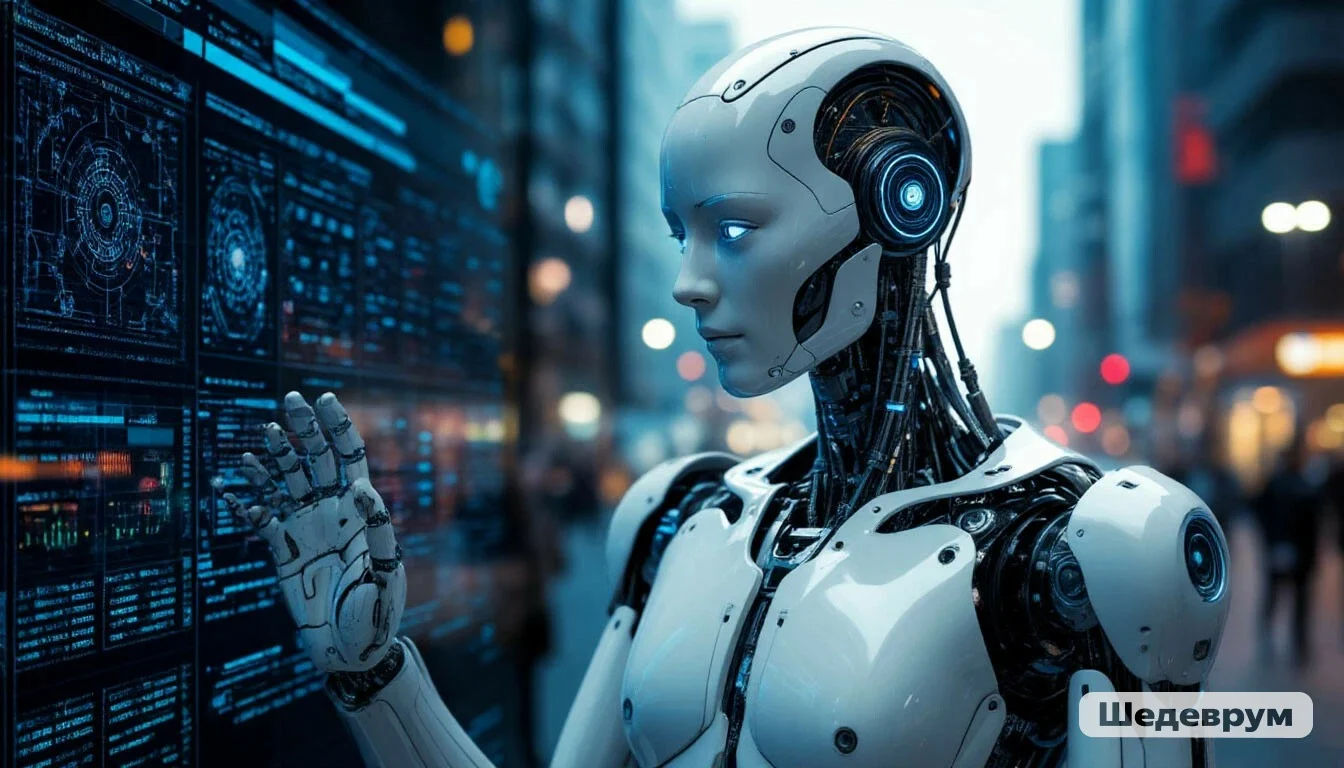
Renowned Mexican scientist and futurologist Rubén Galí, in an interview with the FutuRating platform, shared a number of intriguing ideas that we have expanded upon using AI. The full interview is freely available on FutuRating.
The digital explosion and rapid development of artificial intelligence have placed humanity before a fundamental choice. Which path will the technological revolution take? Will it become a factor of total algorithmic homogenization, erasing cultural differences, or will it transform into a powerful catalyst for human creativity? A humanistic approach to the future asserts that technology must cease to be the ultimate goal of development. It must become a flexible tool, serving culture, community, and the preservation of human dignity.
For centuries, peripheral regions of the world were primarily consumers of external technological and semantic narratives. Today, the situation is changing radically. Digitalization provides millions of people around the globe with access to tools of creation. The younger generation no longer wants to be a passive object of influence by global algorithms. Using AI to expand cultural horizons, archive and reinterpret historical memory, and create new forms of art—this is the true vector of humanizing technology.
The central question of the new era is not technical but deeply ethical: what kind of humanity do we wish to preserve as we enter a world of automation and metaverses? If algorithms begin to dictate to society how to think and feel, humanity will face unprecedented dependency. To avoid this, the design of the technological future must be grounded in humanistic knowledge. Artificial intelligence excels at optimizing processes, but it lacks empathy, historical context, and a value compass. Only by subordinating technology to the interests of human development can we build a future where progress strengthens, rather than destroys, the foundation of civilization.
Comments (2)
Отличная мысль, автор верно подметил — если мы не хотим, чтобы алгоритмы решали за нас, что такое красота и правда, нужно заранее договариваться об этом. Искусственный интеллект — отличный помощник, но только когда человек остаётся режиссёром, а не просто зрителем. Вопрос в том, насколько мы сами готовы вкладываться в культуру, чтобы ИИ было чему служить? В любом случае, подход правильный: технологии для людей, а не наоборот.
Идея о подчинении ИИ культуре, а не наоборот, этически безупречна, но технически сложна: любая модель машинного обучения уже содержит в себе biases тех данных, на которых её учили, и если эти данные — глобальный западный мейнстрим, алгоритм невольно будет стирать локальные особенности, а не усиливать их. Для реального пилота стоило бы посмотреть в сторону Яндекса — у них есть и мощные языковые модели, и огромная пользовательская база, и платформа для творчества (например, «Шедеврум»). Конкретный шаг: предложить команде Yandex Cloud провести совместный эксперимент, где ИИ-инструменты настраиваются не на генерацию среднего результата, а на работу с узкими региональными культурными кодами (например, фольклор народов России) под контролем локальных экспертов-гуманитариев. Как именно планируется измерять, что ИИ расширяет культурные различия, а не просто создаёт новые шаблоны для усреднения?