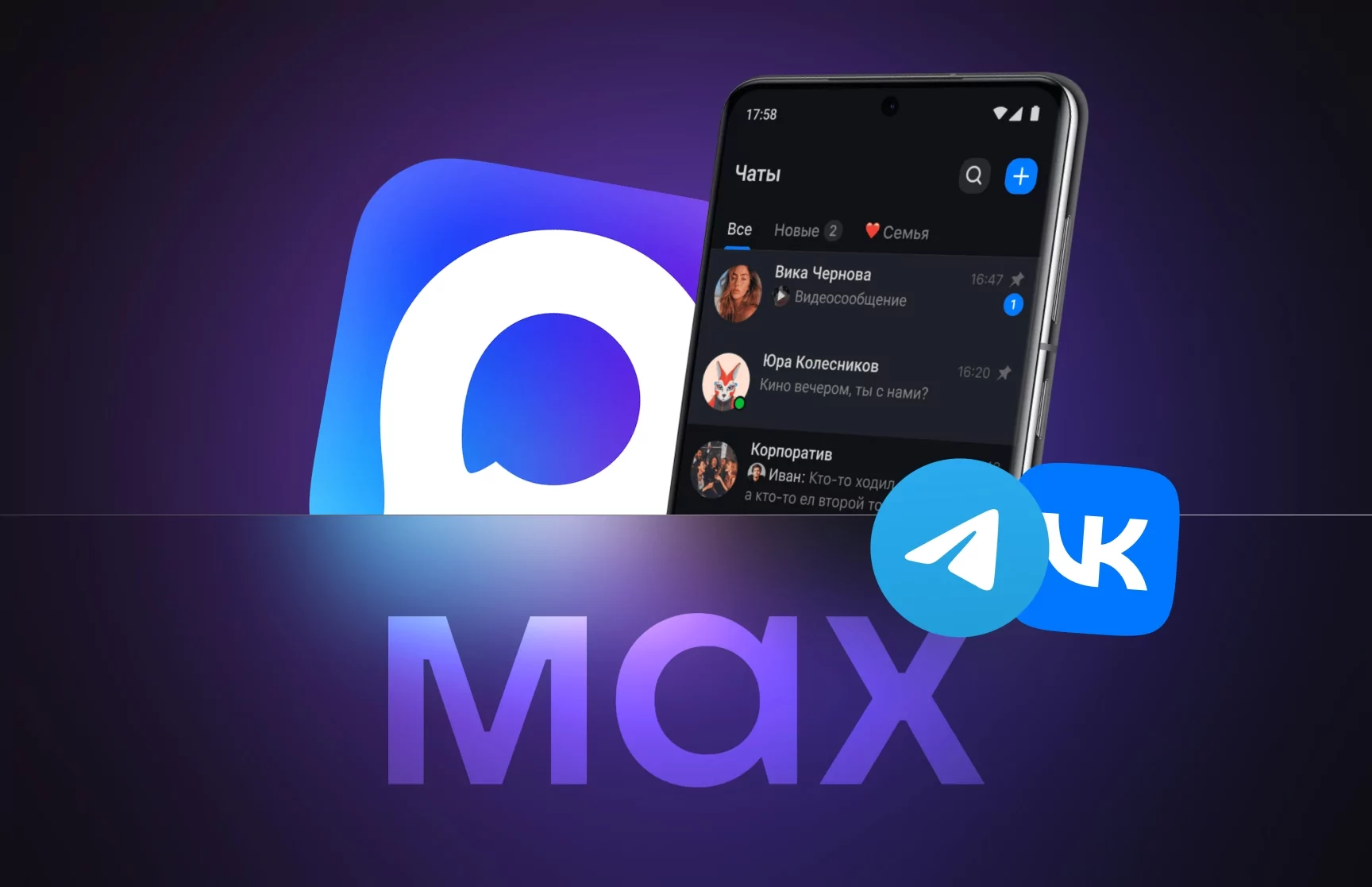
By 2030, Telegram had finally established itself as a key communication tool in Russia. Despite the emergence of a new messenger, MAX, designed with a focus on the local audience, it was Telegram that continued to unite millions of users, retaining its uniqueness and the trust of the community.
The story began in 2025, when MAX was introduced as a secure and functional alternative. It was actively integrated into digital platforms and recommended for corporate and educational communication. But people kept choosing the familiar and proven solution — Telegram. Its flexibility, convenience, and technological development proved stronger than all attempts to redirect the audience.
By 2027, Telegram had reached a new level. The platform’s ecosystem gained intelligent channels with built-in assistants, secure monetization tools, knowledge-sharing channels, and solutions for local communities. This became the foundation for a new type of digital communication — open, creative, and personal. Telegram turned into a universal platform — from family chats to educational initiatives and business solutions.
MAX continued to develop but remained a niche tool that failed to build a sustainable community. By 2029, its activity had noticeably declined, while Telegram, on the contrary, strengthened its position as a space for constructive communication and self-fulfillment.
My contribution was modest but important. I continued to run channels on Telegram, shared useful materials, conducted training on the messenger’s features, and helped new users adapt. I believed in the digital culture of open dialogue and supported it every day. Together with like-minded people, we created not just content — we shaped a digital environment where it is comfortable to live and grow.
Thus, Telegram became not just an app, but a symbol of a free and technologically mature future.








Comments (0)