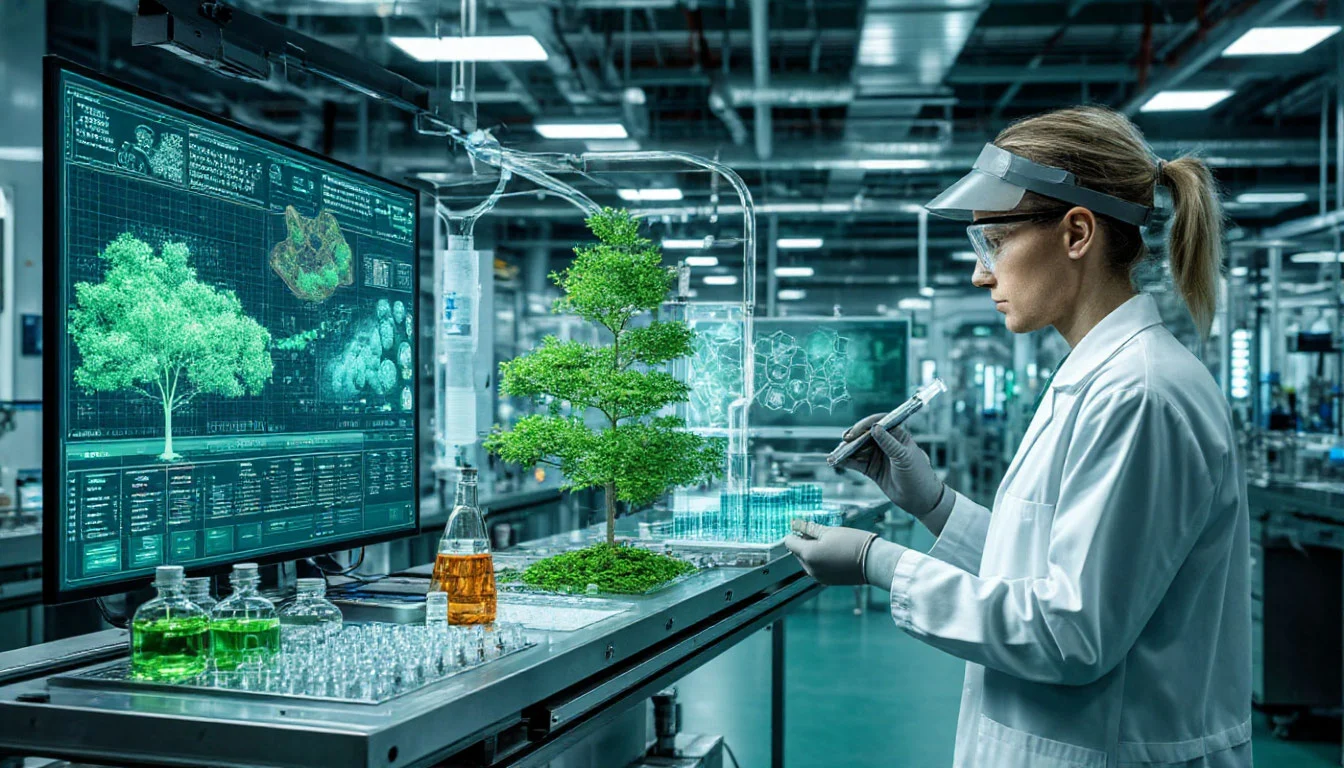
The environmental problem of our time is an inevitable consequence of industrial production, leading to pollution of air, water, and soil. Society faces the challenge of minimizing the impact on nature while maintaining economic growth and well-being. Big data is becoming a key element in addressing this challenge, opening new horizons for inventors and engineers.
The main goal of using big data in environmental projects is the creation of materials and technologies that minimize carbon dioxide and harmful substance emissions. Oil and coal extraction is accompanied by serious consequences for ecosystems, so the primary task is the transition to renewable energy sources and alternative production cycles.
New materials and chemical compounds developed based on analyst data have a number of advantages. They are easier to recycle, retain their properties longer, and cause minimal damage to nature. For example, plastics made from recycled plastic or algae solve the problem of waste disposal and reduce the need for petroleum products. Biodegradable polymers are used in the packaging industry, agriculture, and pharmaceuticals.
Biological processes driven by big data are leading to the development of microorganisms that clean soil and water from pollution. Genetically modified bacteria effectively break down toxic waste, converting it into useful products. For instance, some microorganisms successfully dispose of heavy metals, making it possible to restore lands affected by industrial activity.
All these initiatives are aimed at reducing the carbon footprint and increasing the environmental sustainability of production. International organizations support projects focused on introducing innovative technologies and promoting sustainable development. The concept of a closed production cycle, where raw materials are repeatedly recycled, is becoming the de facto standard for most industries.





Comments (0)