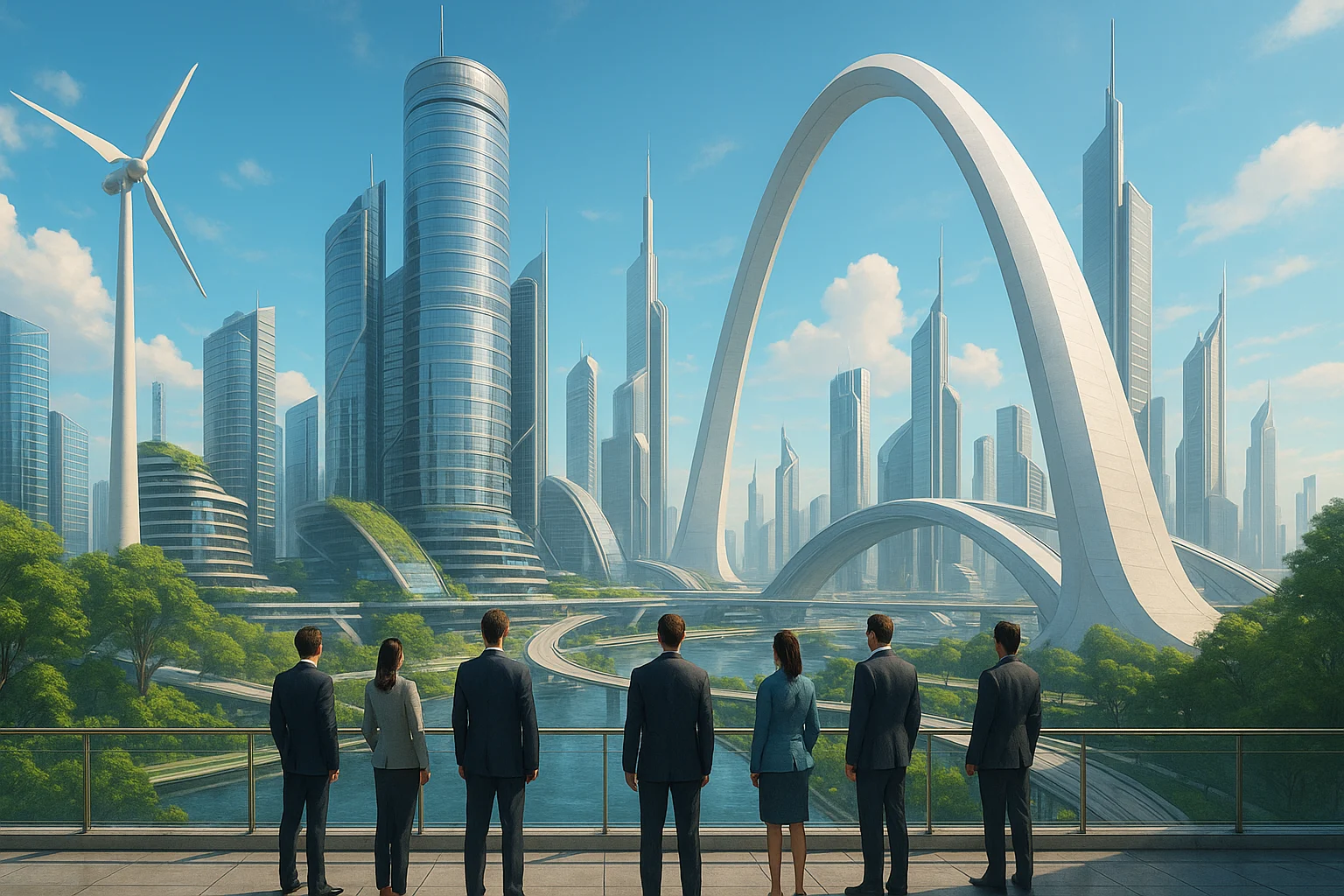
By 2075, humanity no longer viewed local conflicts as inevitable. For decades, starting from the 2020s, the world witnessed a series of tensions exacerbated by competition for resources, technology, and influence. However, by the mid-21st century, a unique system of global interaction had been built, based on the principles of mutual benefit, transparency, and technological partnership. Geo-economic security came to the forefront, becoming not just a slogan but an everyday reality for all countries and peoples.
Instead of the usual confrontation, in the 2050s states began to develop joint projects in the fields of green energy, space research, and biotechnology, which made it possible to reduce dependence on limited resources and eliminate the main causes of conflict. Thanks to the proliferation of artificial intelligence, distributed economic platforms, and supply chain management systems, each country gained the opportunity to integrate into a single ecosystem in which the development of one side automatically brought benefits to others.
As a result, by 2075 local conflicts had been reduced to rare and quickly resolved incidents, which were examined within the framework of the renewed World Council for Geo-economic Stability. This body brought together experts, diplomats, and technology leaders to respond instantly to disputes and resolve them through economic tools rather than weapons. Military budgets in many countries were redirected to education, science, and technology development, allowing millions of people to gain access to new professions and improve their quality of life.
To make such a future possible, I created platforms for joint analysis of data on global trade and climate change, helping governments make decisions that promote stability and sustainable development. The more people understand the importance of economic cooperation and transparency, the closer we will be to peace.



Comments (0)