{
«title»: «Ecosystem Veterinary Medicine and Planetary Health (One Health 2.0)»,
«excerpt»: «»,
«content_html»: «
The One Health concept considers human, animal, and environmental health as a single interconnected system. With the spread of remote sensing technologies and ubiquitous data collection, the next phase is emerging — One Health 2.0, characterized by active management of the health of entire ecosystems. This becomes especially relevant in the context of the upcoming expansion of human habitat to other planets and dramatic changes to existing Earth biomes.rn
Main tasks and tools of ecosystem veterinary medicinern
Ecosystem monitoring is carried out using unmanned aerial vehicles (drones) and remote sensors that collect information on the health indicators of animals, vegetation cover, water resources, and soils. The resulting data is processed using artificial intelligence, making it possible to predict outbreaks of infections and epidemics at early stages, take preventive measures, and prevent catastrophic consequences.rn
For example, regular collection of saliva, urine, and blood samples from animals followed by molecular analysis can prevent the emergence of an H5N1 influenza virus or SARS-CoV-2 coronavirus pandemic even before the infection crosses over to the human species. The combination of microbiological and geophysical data allows mapping infectious foci and predicting the dynamics of their spread.rn
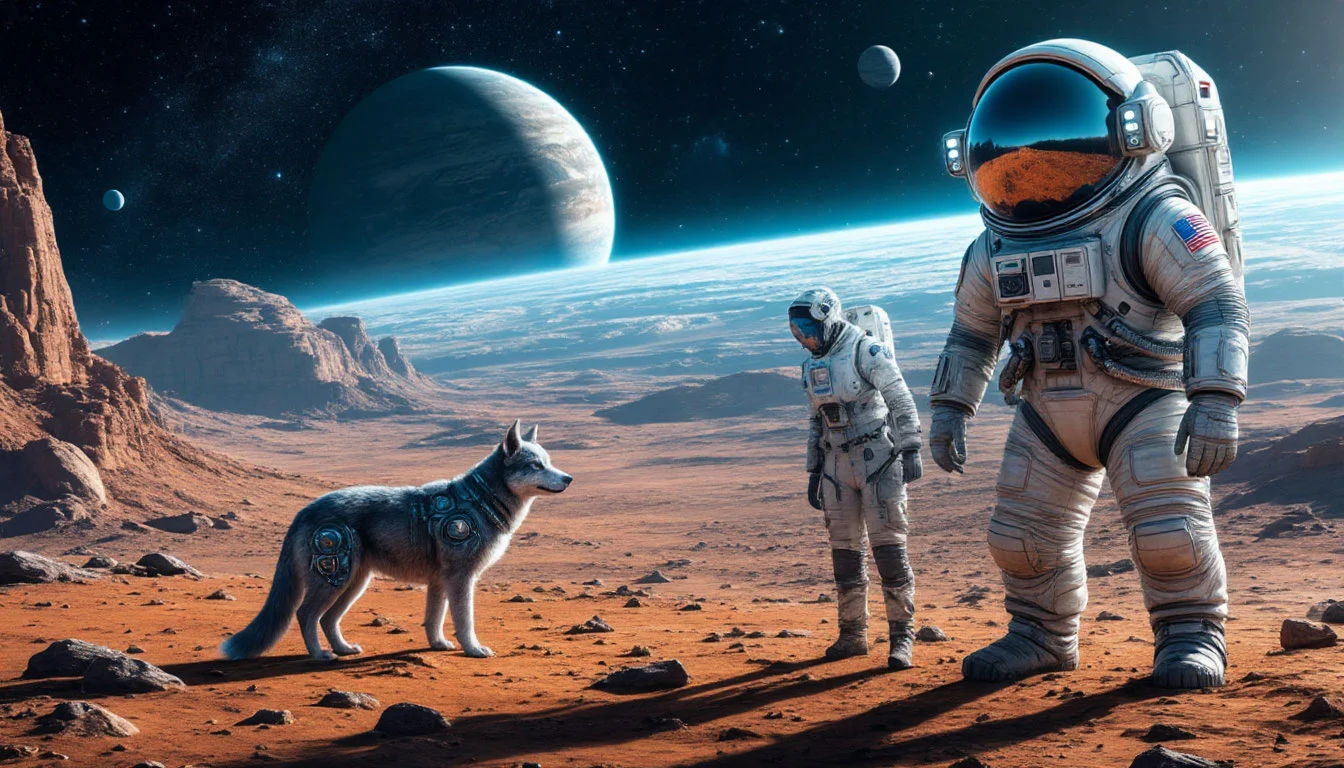
In the context of future colonization of the Moon, Mars, and asteroid belts, special attention is given to the health of colonists and the animals living there. Without effective monitoring and rapid response to infectious foci, the risk of pandemics increases exponentially, threatening the entire colony.rn
The role of technology in ensuring planetary healthrn
Solutions for ecosystem veterinary medicine involve the integration of multidisciplinary approaches: zoology, epidemiology, virology, biotechnology, and informatics. Combining these disciplines allows addressing a number of practical tasks:rn
— Early diagnosis of diseases through analysis of satellite images and metagenomic studies of microflora.rn
— Predicting the population dynamics of pathogenic viruses and bacteria based on meteorological and hydrogeochemical data.rn
— Optimizing quarantine zones and restricting the movement of infected livestock and food products.rn
— Assessing the impact of climate change on the evolution of infectious disease agents.rn
In addition, attention should be paid to anthropogenic human activity that leads to the destruction of natural habitats and increased contact between species. Large-scale deforestation, expansion of agricultural areas, and urbanization increase the likelihood of infection transmission from animals to humans. Predictive models of ecosystem veterinary medicine make it possible to minimize such risks.rn
Conclusionrn
The One Health 2.0 concept covers a wide range of interdisciplinary fields and addresses a critical task — maintaining a balance between the well-being of humans, animals, and the environment. Further development of remote diagnostics and automated pandemic warning systems opens new prospects for supporting space colonization and stabilizing Earth’s biomes. A well-thought-out strategy backed by modern technology will make it possible to overcome global-scale challenges and preserve the health of civilization for centuries to come.
»
}





Comments (0)