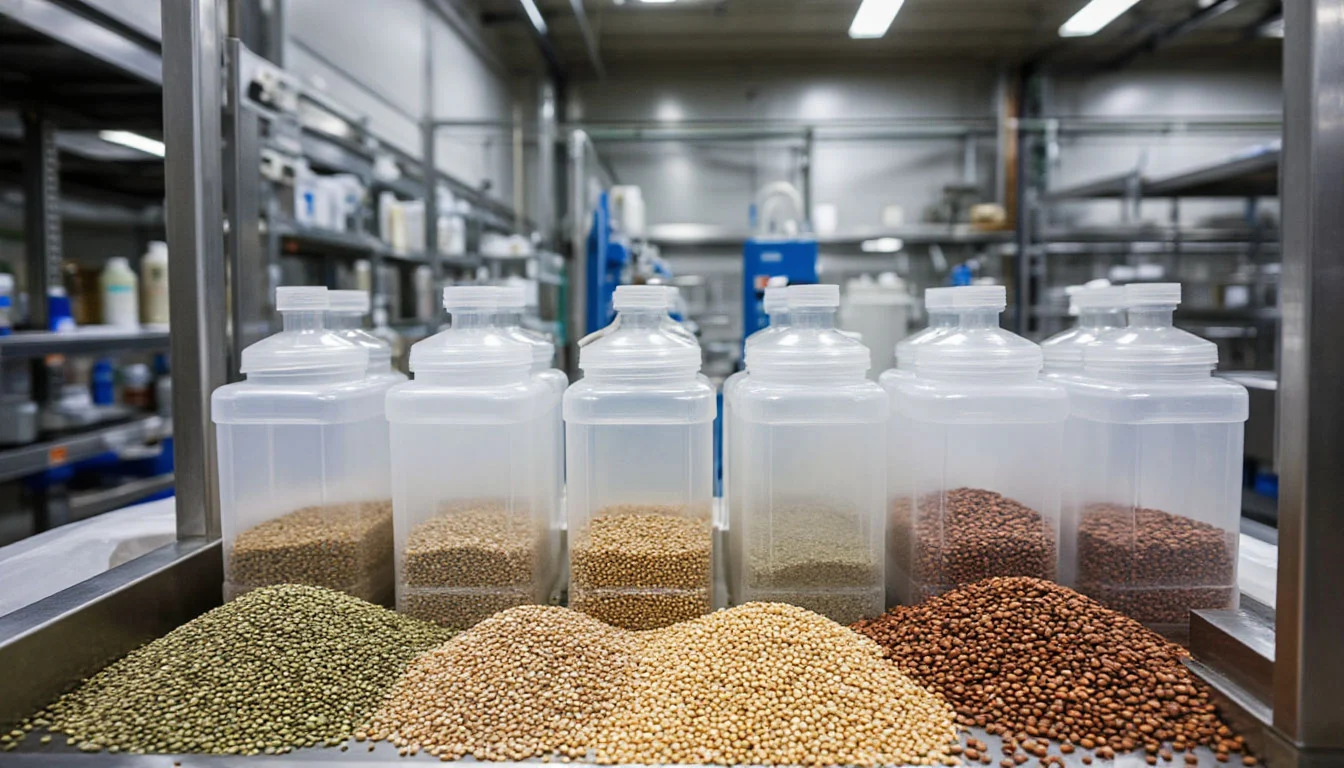
Amid growing environmental instability, the establishment and development of specialized genetic banks is becoming a strategic priority. The core concept of this initiative is to create a global network of cryobanks capable of ensuring reliable storage of up to one million varieties of cultivated plants and their wild relatives by 2060. Cryopreservation at ultra-low temperatures in liquid nitrogen makes it possible to preserve biological material almost indefinitely without loss of germination and genetic integrity, which favorably distinguishes this method from traditional storage in seed banks with controlled humidity.
A key tool in implementing this large-scale program is the use of high-throughput next-generation sequencing (NGS) technologies. The use of NGS sequencing allows not only archiving physical samples but also conducting their complete whole-genome inventory. This makes it possible to identify and catalog unique alleles of resistance to abiotic and biotic stresses that may have been lost during intensive breeding of modern commercial varieties. According to existing models, the agricultural sector will face an increase in extreme weather events in the coming decades, such as prolonged droughts, sharp temperature inversions, and soil salinization. Genetic banks containing a wide range of adaptive traits of wild plant relatives are becoming a basic resource for preventive breeding.
The technological chain of functioning of such banks involves not only storage and sequencing but also constant bioinformatic analysis of data. This is necessary to predict which genetic combinations will be most in demand in specific climate zones in 20–30 years. Thus, by 2060, genetic banks should transform from passive repositories into active information-biological hubs. They will provide the possibility of rapidly constructing new varieties capable of maintaining high productivity in a changing climatic landscape, which is the key to global food security and the preservation of the planet’s natural heritage. The integration of deep genome analysis methods and cryogenic storage technologies makes it possible to form a reliable insurance fund that minimizes the risks of complete loss of valuable forms of agro-biodiversity.









Comments (1)
Генетические криобанки очень важны для Человечества!! Эта идея отлично вписывается как составная часть в глобальный проект «Феникс» - автомвтическое возрождение жизни и Человечества: Система «Феникс» Возрождение жизни и Человечества в автоматическом режиме..