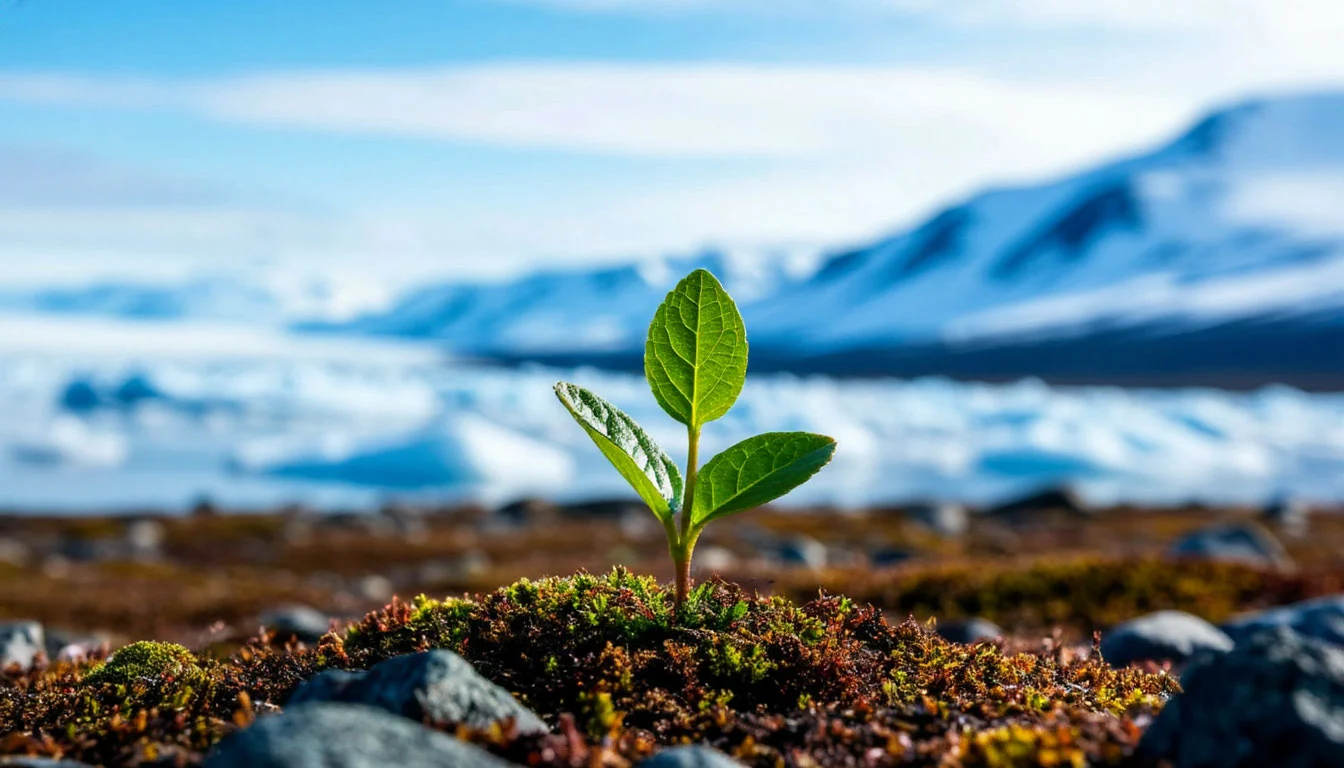
Climate-adapted varieties for the Arctic represent a strategic breeding direction focused on creating heat-tolerant agricultural crops by 2056. This will require developing varieties that can grow efficiently in challenging conditions while retaining resilience to region-specific stresses.
The tool for their creation is epigenetics, specifically DNA methylation mechanisms. Under temperature stress, plants are able to alter methylation patterns, allowing them to adapt to new conditions over relatively short periods—within a few generations.
Breeding programs using epigenetic markers already make it possible to select genotypes predisposed to rapid adaptation. For the Arctic regions, promising crops include winter rye variety ‘Yamalskaya’, barley ‘Tayozhny’, and potato with a shortened growing season. Laboratory tests show that lines with modified methylation patterns exhibit an increase in photosynthetic activity of 10–12% at temperatures up to +25°C, which is critical for regions with cool summers.
Yield forecasts based on CMIP6 climate models indicate a potential 20% increase in yields of adapted varieties in Yakutia by 2040–2050. The models account for parameters such as an increase in the sum of active temperatures, changes in precipitation patterns, and a reduction in the period with negative temperatures. Implementing this strategy requires the integration of genomic and epigenomic technologies into the breeding process.
In addition to increasing yields, climate-adapted varieties can contribute to addressing related challenges: reducing soil erosion through a more developed root system, lowering irrigation requirements, and decreasing greenhouse gas emissions from agricultural lands.







Comments (0)