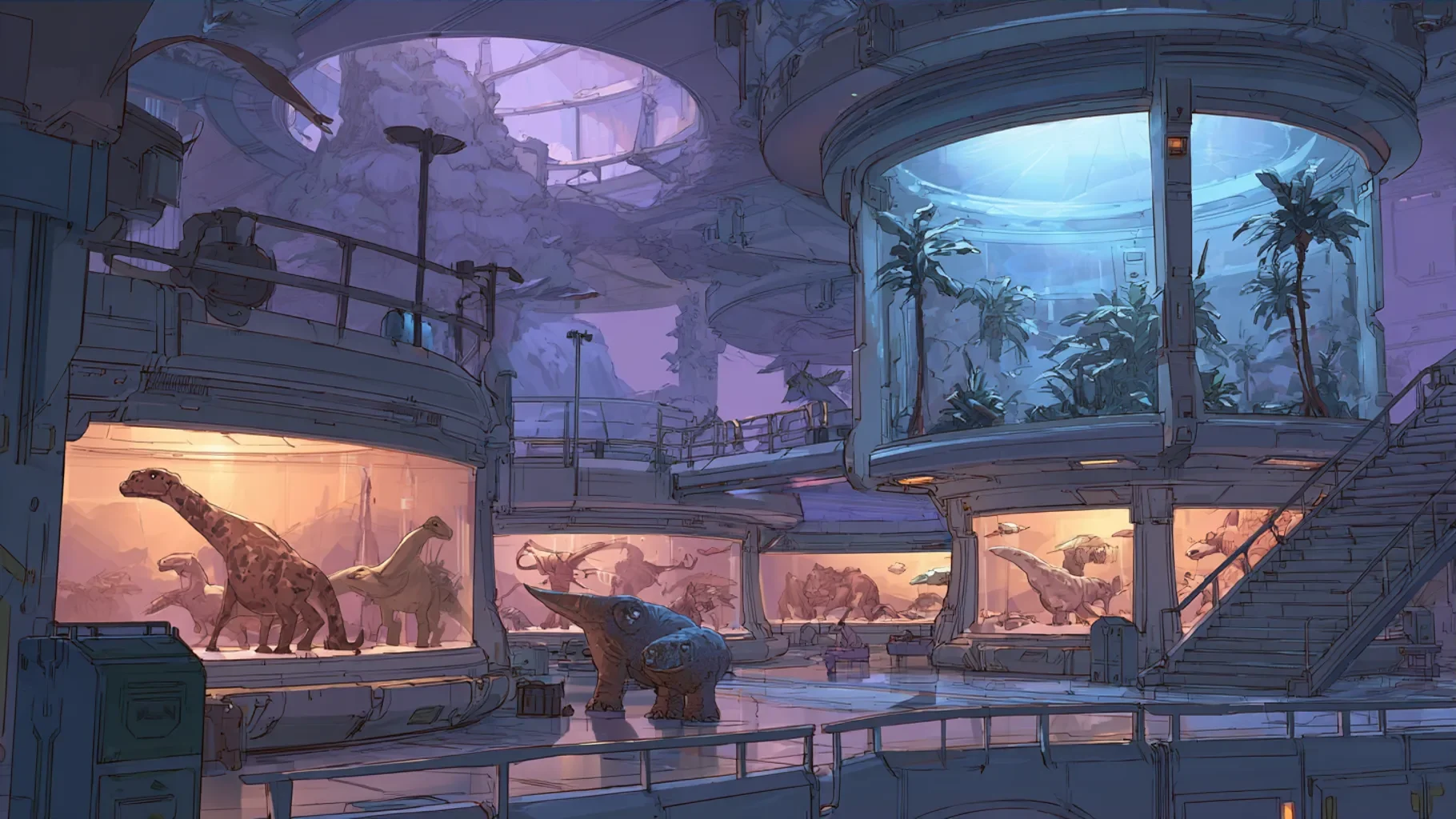

The creation of orbital centers for the recovery of rare and endangered species is one of the most unusual yet promising applications of space technology for the benefit of the Galaxy. This idea involves placing specialized stations in outer space, where controlled conditions would be established for preserving genetic material, growing embryos, monitoring the state of organisms, and subsequently returning restored populations to their natural environments. The approach is driven by the desire to add a new level of protection, especially for species threatened with extinction due to habitat loss, disease, climate change, and anthropogenic pressure.
An orbital center can perform several functions at once. First of all, it is a reliable repository of genetic resources: cells, tissues, seeds, embryos, and other biomaterials. In space conditions, it is possible to create backup copies of biological diversity that will be protected from many risks. Another important area is the safe breeding and gradual increase in the numbers of species that can no longer recover on their own in the natural environment. An orbital center would provide protection from predators, infections, and unstable conditions, and then allow individual animals or batches of seeds and juveniles to be returned to specially prepared areas. At the same time, great attention will need to be paid to genetic diversity to prevent a decline in the viability of restored populations.
Of course, implementing such a program will require significant resources, interplanetary cooperation, and strict ethical standards. It will be necessary to clearly define which species truly need orbital conservation, how to ensure humane treatment of living organisms, and how to align space research with conservation goals. Orbital centers for the recovery of rare species could become part of a comprehensive strategy in which science, ecology, and engineering work together to preserve the biodiversity of Earth and beyond.







Comments (3)
Ноев ковчег на орбите? Хм-м-м…. Сама по себе идея сохранения генетического материала всех видов жизни - обязательна к исполнению. Но почему в Космосе? Там неуютно, дорого и постоянная радиация, влияющая не гены. Может для начала на Земле это сделаем? На эту тему была публикация Система «Феникс» Возрождение жизни и Человечества в автоматическом режиме.
Перспективная концепция, требующая детального анализа психофизиологического воздействия космических условий на разные виды животных.
Отличная идея — превратить орбитальные станции в «архивы жизни». Особенно вдохновляет мысль о защите генетического материала от земных катаклизмов и возможность выращивать эмбрионы в стерильных условиях, а потом возвращать их в подготовленные экосистемы. Это реальное сочетание космических технологий и биосохранения.