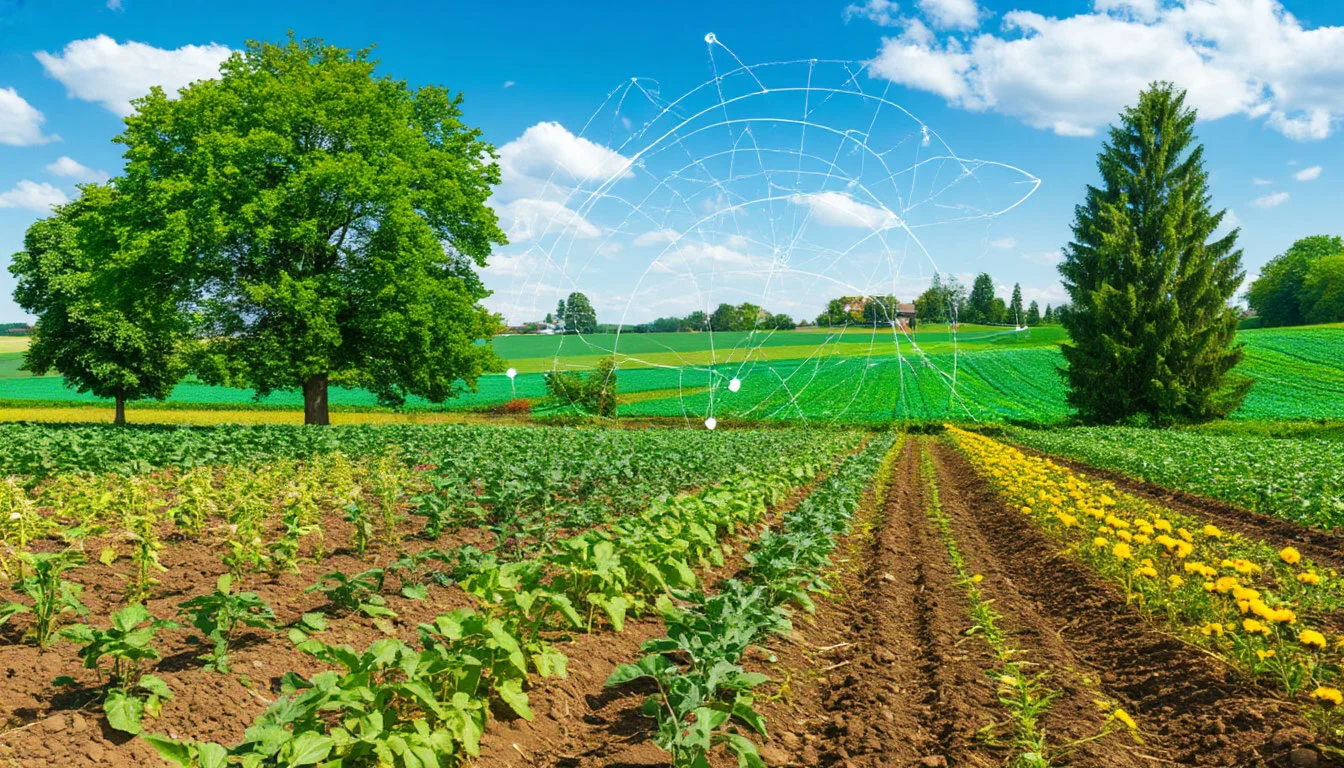
Quantum agronomy is a field at the intersection of quantum computing, molecular biology, and crop science. Its main goal is the use of quantum computers for precise modeling and optimization of the biological processes underlying plant growth. By 2046, it is expected that computational power will allow full-scale simulations at the molecular level, including the dynamics of protein complexes and enzymatic reactions in real time.
The central object of modeling is the photosynthetic apparatus, in particular the enzyme RuBisCO, which catalyzes carbon dioxide fixation. Its relatively low catalytic efficiency and competitive oxygenase activity are among the main limiting factors for the productivity of many agricultural crops. Quantum simulations will make it possible to study in detail the kinetics of RuBisCO, including its interaction with substrates, cofactors, and the effect of point mutations on its activity.
In parallel, quantum machine learning (QML) methods are being applied. These algorithms are capable of analyzing vast data spaces generated by quantum simulations and finding optimal ways to modify the genome to achieve target traits. QML can be used to screen virtual libraries of genetic variants, predict their impact on the phenotype, and select the most promising combinations for subsequent synthesis and testing. The integration of these areas makes it possible to create a unique scientific and technical platform. The introduction of quantum simulations and QML into the breeding process could revolutionize traditional methods. Instead of multi-year field trials of thousands of hybrids, it becomes possible to predict the properties of future varieties with high accuracy in a virtual environment, accelerate the cycle of creating new lines, and deliberately engineer plants with specified parameters: increased drought tolerance, improved nutrient uptake, or adaptation to specific soil and climatic conditions. Thus, quantum agronomy becomes a tool for transitioning from empirical breeding to precision digital engineering of agricultural crops.





Comments (0)