

The traditional model of education, based on passive consumption of information (“watch a lecture — retell it — forget it”), is hopelessly outdated and loses the battle for attention to entertainment content. A modern child’s brain demands immediate feedback, engagement, and the ability to influence the process. The main shift that will define the future of learning is the transition from “knowledge transfer” to “learning through action.” Knowledge ceases to be a static burden and becomes a dynamic tool that must be applied immediately.
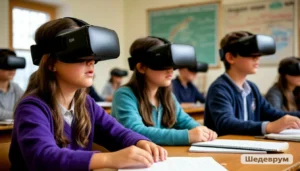
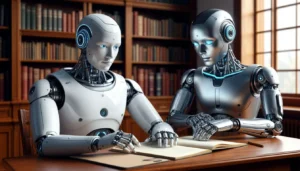
Tomorrow belongs to technologies that make the student the main character of the educational process. The key tools will be personalized algorithms capable of building an individual development path, and immersive formats. Interactive educational videos where the viewer chooses the hero’s path; game mechanics that turn mastering complex subjects into an engaging quest; hybrid events that blur the line between the classroom and the world; AI mentors ready to answer any question 24/7 — this is the foundation of the new school. Short formats will also play an important role, delivering useful facts directly into the child’s familiar digital environment, bypassing the boredom barrier.
Interactive narratives, close in essence to modern game worlds and interactive cinema, will occupy a special place. The student ceases to be a passive observer and becomes a participant in the story, whose choices determine how events unfold. Solved the problem correctly — helped the hero save the planet; made a mistake — faced the consequences of their choice. This approach allows learning not only formulas and dates, but also the most difficult thing: decision-making, responsibility, and predicting the results of one’s actions. A child learns to think systemically, see interconnections, and understand the cost of a mistake in a safe environment.
Technological trends change at such a rapid pace that it is impossible to predict which specific format will dominate in five years. Therefore, the main goal of the educational system becomes not chasing a trendy platform, but creating a flexible infrastructure capable of integrating any new tools for the benefit of personal development. What matters most is not the form of presentation but the essence: the student’s agency, their active stance, and the understanding that knowledge only gains meaning when it is applied to change the world around.
Based on an interview with Daria Georgiadi for the Futurating platform




Comments (1)
Такой подход к обучению через действие выглядит реалистичным, если выстроить его на базе уже существующей инфраструктуры. Например, «Яндекс.Учебник» мог бы стать пилотной площадкой: у компании есть собственная платформа с алгоритмами адаптивного обучения и доступ к большой пользовательской базе, что позволило бы протестировать формат интерактивного нарратива с ИИ-наставником. В качестве следующего шага логично предложить команде Яндекс.Образования провести небольшой эксперимент: разработать один сценарий для урока истории или физики, где выбор ученика меняет сюжет, и замерить вовлечённость и запоминаемость материала по сравнению с обычным видеоуроком.