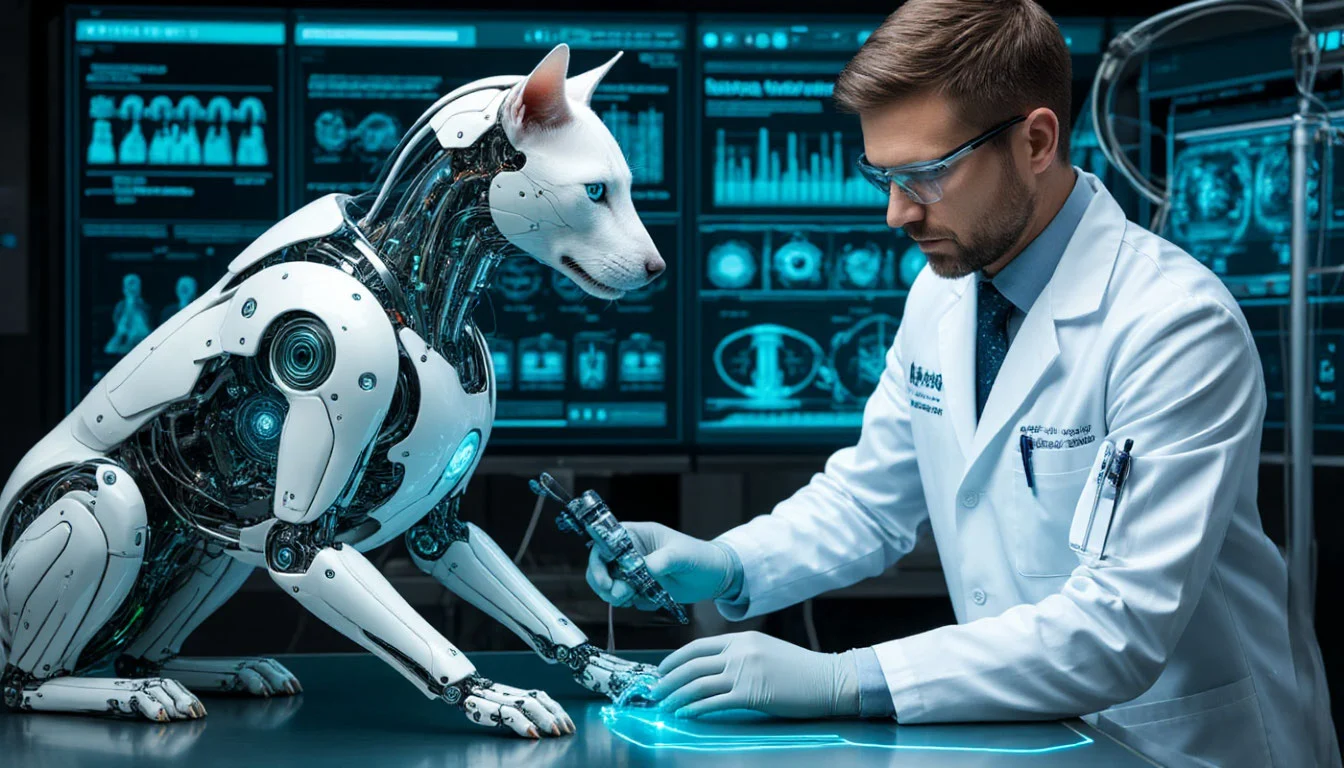
The emergence of synthetic animals and semi-cybernetic pets opens a new page in veterinary medicine. Owners have to care not only for the physical health of their pets but also monitor the proper functioning of electronic components and artificial organs that make up a significant portion of the creature’s body. This trend gives rise to a special profession — a veterinary bioinformatician, a specialist in the maintenance of combined animals whose share of mechanical parts exceeds half of the total body mass.
Features of Caring for Synthetic and Cyborg Animals
Synthetic animals consist partially or fully of artificially grown tissues and synthetic elements. The task of a veterinary bioinformatician is to ensure the uninterrupted operation of all body subsystems, from biochemical reactions to the operation of electric motors and microprocessor modules. The doctor’s key tasks are:
— Diagnostics of faults in electronic circuits and software.
— Performing surgical interventions to replace failed units and assemblies.
— Prescribing battery charging modes and firmware update protocols.
— Advising the owner on the care and operation of an electronic pet.
Unlike traditional animals, synthetic creatures need regular preventive inspections and adjustments. Lack of regular maintenance can lead to breakdowns and failures in the functioning of vital organs, which will negatively affect the pet’s well-being and performance.
Special attention is paid to the training of doctors who have a grasp of the basics of electronics, programming, and physics. The medical school is supplemented with courses in engineering and automation so that graduates have sufficient qualifications to work with synthetic patients.
Trends and Prospects
The mass popularity of synthetic animals is driven by several factors: low maintenance costs, absence of allergic reactions, ease of care, and undemanding diet. Some breeds were created exclusively for participation in exhibitions or sports competitions, which additionally stimulates demand for qualified diagnostics and repair specialists.
At the same time, many ethical questions arise regarding the status of synthetic creatures: do they have the right to be considered equal family members, what is their position in society, do they have a voice in decision-making? The search for answers to these questions determines the future directions of the veterinary bioinformatician profession.
Thus, the veterinary medicine of the future includes a wide range of tasks aimed at maintaining the health and normal functioning of highly developed semi-synthetic creatures. This segment of veterinary medicine promises rapid growth and a significant expansion of applications. A specialist who masters the skills of diagnostics and repair will find worthy use for their talents and will be able to make a significant contribution to the development of the new industry.








Comments (0)