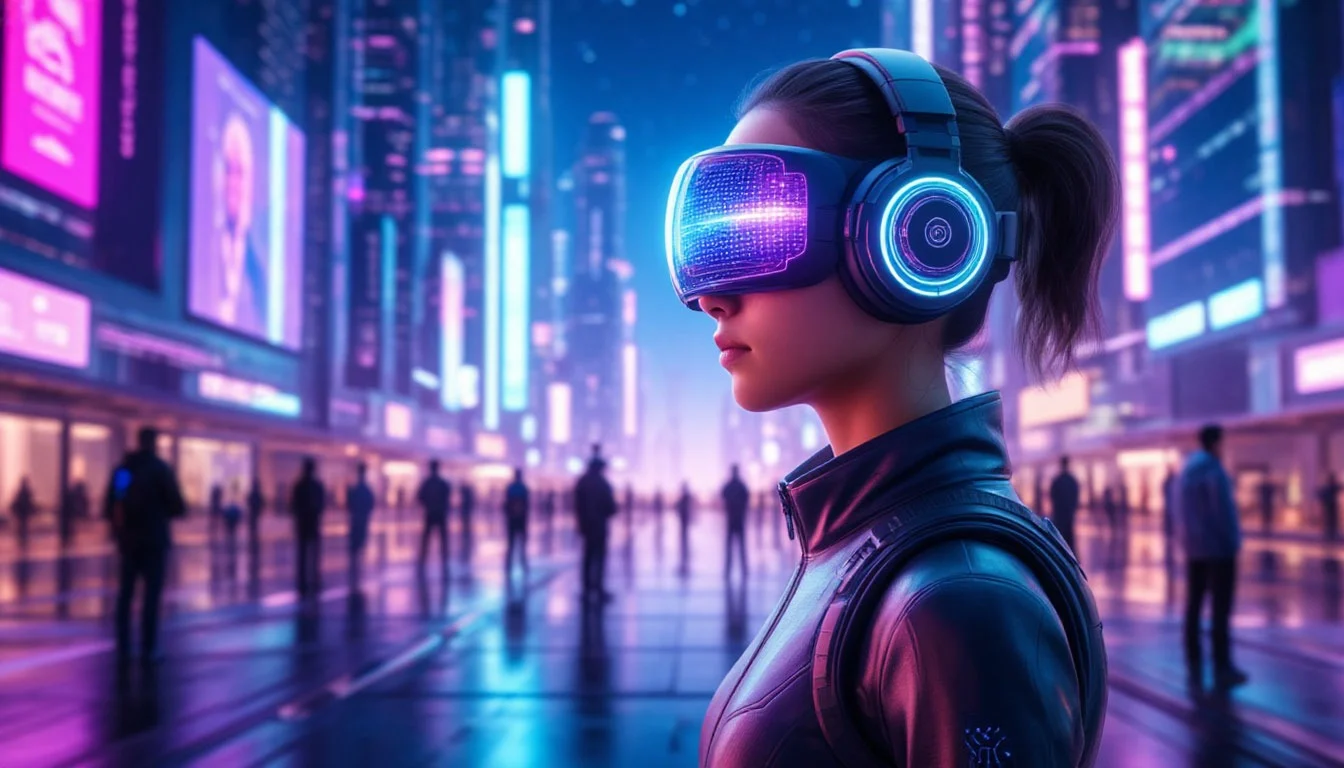
In the era of metaverses, education goes beyond the transfer of facts and skills. At the forefront is emotional learning — the development of empathy, self-reflection, the ability to understand and express feelings, and build trusting relationships. Metaverses become an ideal environment for this: here students do not just study theory, but live through emotional situations, learn to interact and support each other.
How does it work?
In virtual worlds, scenarios for experiencing feelings are created. A student can find themselves in the role of a person of a different culture, age, or social status, and experience joy, fear, loneliness, or support firsthand. Artificial intelligence analyzes reactions, helps recognize one’s own emotions and understand the motives of others. In such conditions, not only intellect but also emotional intelligence is formed.
Key Directions
- Empathy and intercultural interaction. Living the life of another person in a simulation makes it possible to truly understand their values and difficulties, which reduces xenophobia and aggression.
- Self-reflection and psychological resilience. Virtual trainings help to recognize one’s emotions, cope with stress, develop mindfulness and inner harmony.
- Teamwork and support. Collaborative projects in metaverses teach negotiation, care, conflict resolution, and building trusting relationships.
Role of the Teacher
The teacher becomes an emotional mentor and facilitator. They do not transfer knowledge, but help students make sense of the experience, discuss feelings, draw conclusions, and transfer new skills to real life.
Impact on Society
Emotionally educated people form a more harmonious, tolerant, and cohesive society. At the center of such a society is not competition for facts, but mutual understanding, support, and joint creativity. Metaverses become a space for cultivating not only intelligent, but also kind, sensitive, and responsible individuals.








Comments (2)
Мне как исследователю особенно интересен аспект переноса эмоциональных навыков из виртуальной среды в реальную жизнь. Да, проживание чужого опыта в симуляции может запускать глубокие эмпатические процессы, но я бы уточнила: насколько устойчивы эти изменения без последующей рефлексии с наставником? Возможно, ключевым звеном становится не сам сценарий, а его осмысление — вот где роль педагога действительно критична. Пока не проведены лонгитюдные исследования, мы можем только предполагать, что такие тренинги формируют долгосрочную эмоциональную компетентность, а не временный эффект «проживания роли».
Здорово, что авторы сместили фокус с сухих знаний на эмоциональный интеллект — особенно ценно, что ученик именно проживает чужой опыт, а не просто читает о нем. Интересно, как именно ИИ подстраивает сложность этих сценариев под конкретного ученика?